
How to Become Glute Dominant (Not Hamstring Dominant)
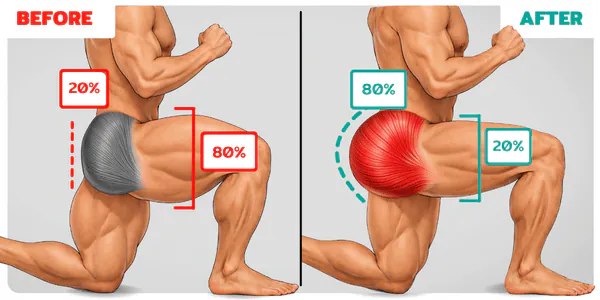
Two people follow the same training program. One has well-developed glutes that match the size of their legs. The other has flat glutes and overdeveloped quads and hamstrings.
So what makes one person glute dominant and the other hamstring dominant?
In this post, I'll break down the 3 main reasons your glutes – the biggest muscles in your body – lose their dominance, with a clear fix for each one. Plus the two exercises science shows are best for growing your glutes.
But first, let's look at why this asymmetry between your glutes and your legs develops in the first place, using the most popular lower-body exercise: the squat.
Why Squats Grow Your Legs Instead of Your Glutes
To stand up from a squat, your body extends two joints at once:
The knees — driven by the quads.
The hips — driven primarily by the glutes, with the hamstrings only assisting.
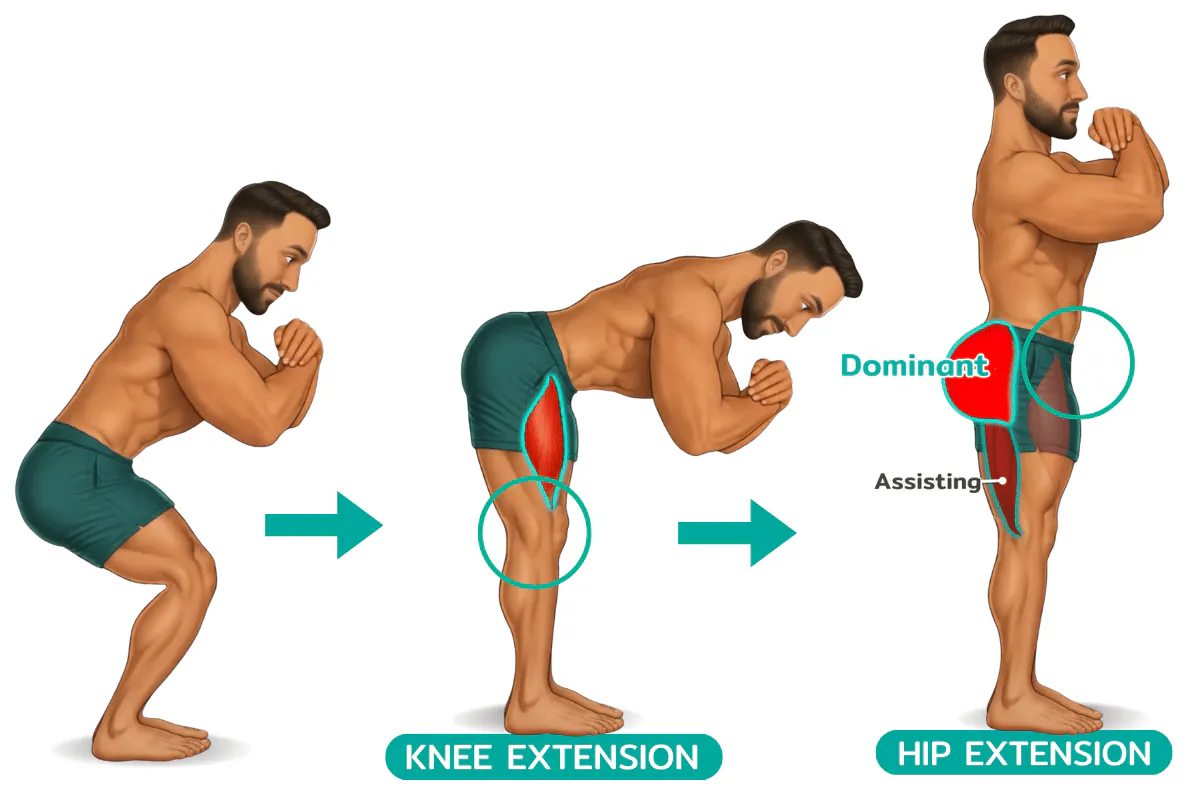
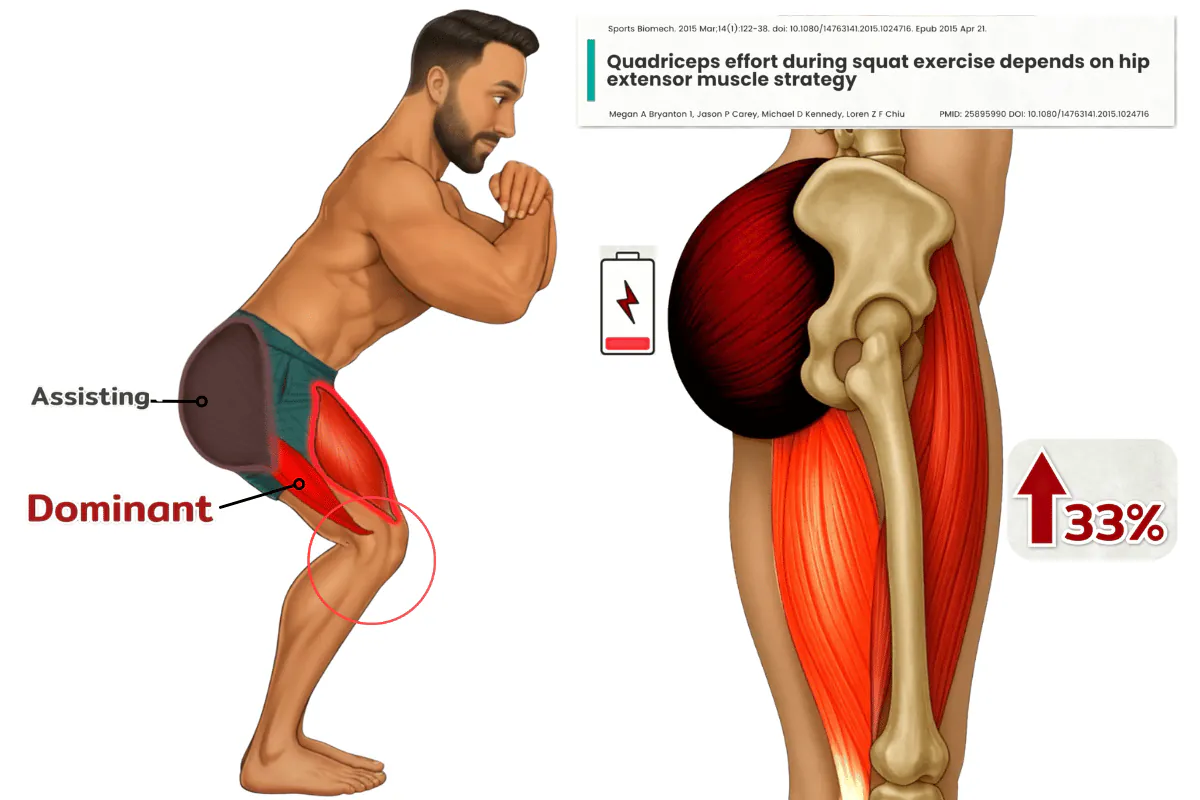
When the glutes are weak, the hamstrings have to take over much of the hip extension. But the hamstrings don't just cross the hip. They also cross the knee.
So when they fire hard enough to drive hip extension, they also pull the knee into flexion, fighting against the quads that are trying to straighten it.
The result: both the hamstrings and the quads end up working much harder than they should. A 2015 study confirmed this: when the glutes lost their dominance, quad contraction increased by up to 33% [1].
Quick Test: Are You Glute or Hamstring Dominant?
Now, before we show you how to grow your glutes, here's a quick, science-backed test you can do to find out if you're glute or hamstring dominant [2]:
The single-leg bridge test:
Lie on your back, both knees bent, feet flat on the floor.
Lift one leg and straighten it out in front of you.
Push through the foot on the ground to lift your hips into a bridge.
Hold for up to a minute, paying attention to which muscles are working.
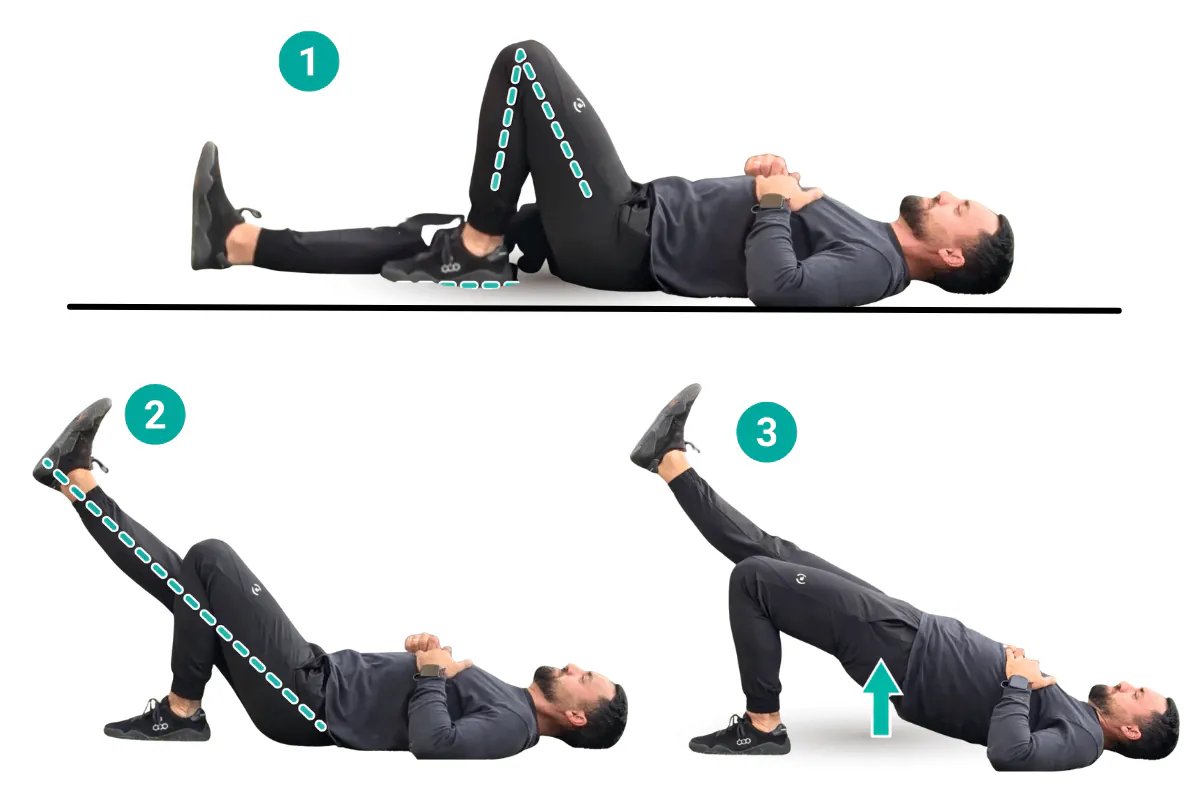
If you feel your glutes doing the work, they're properly active. If you feel it mostly in your hamstrings, lower back, or quads, your glutes are weak and underactive.
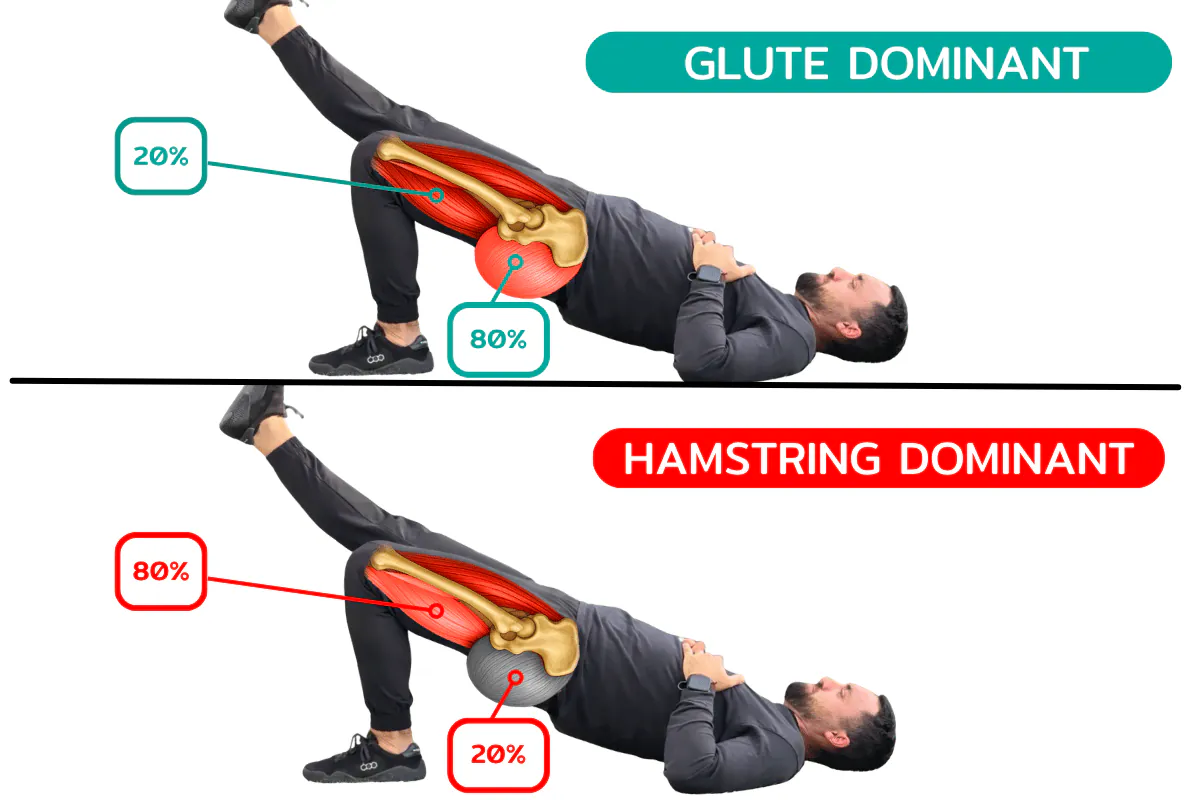
This is one of the 10 functional tests we use to assess Barefoot Strength Academy members.
Now, onto the causes and fixes of glute weakness.
The 3 Root Causes of Glute Weakness
Cause #1: Tight Hip Flexors
The most common cause of glute weakness is tight hip flexors. And for most people, that comes from sitting too much.
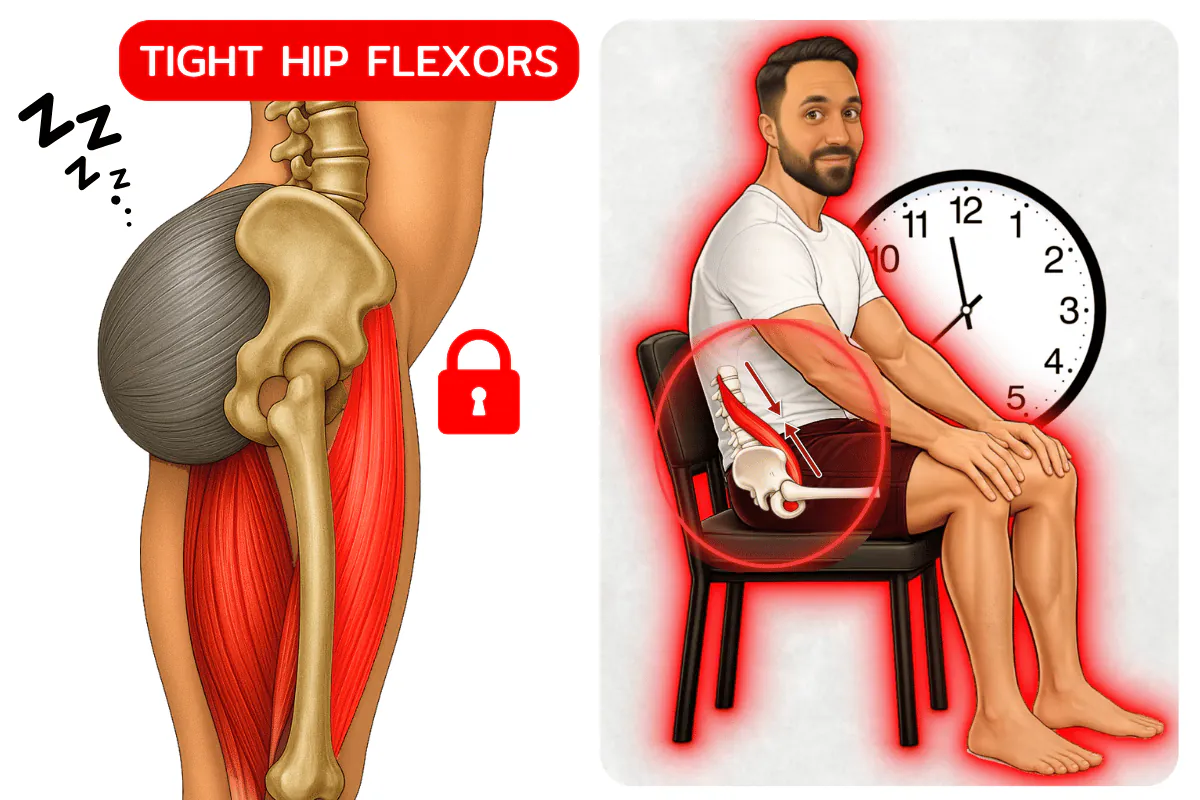
Muscles operate in opposing pairs. When one contracts, the other relaxes. The hip flexors and glutes are one of these pairs: as the glutes shorten to extend the hip, the hip flexors lengthen. This is called reciprocal inhibition.
But when the hip flexors are chronically tight and can't lengthen, this relationship breaks. The body inhibits the glutes from contracting fully. This is called altered reciprocal inhibition and it results in weakened glute engagement.
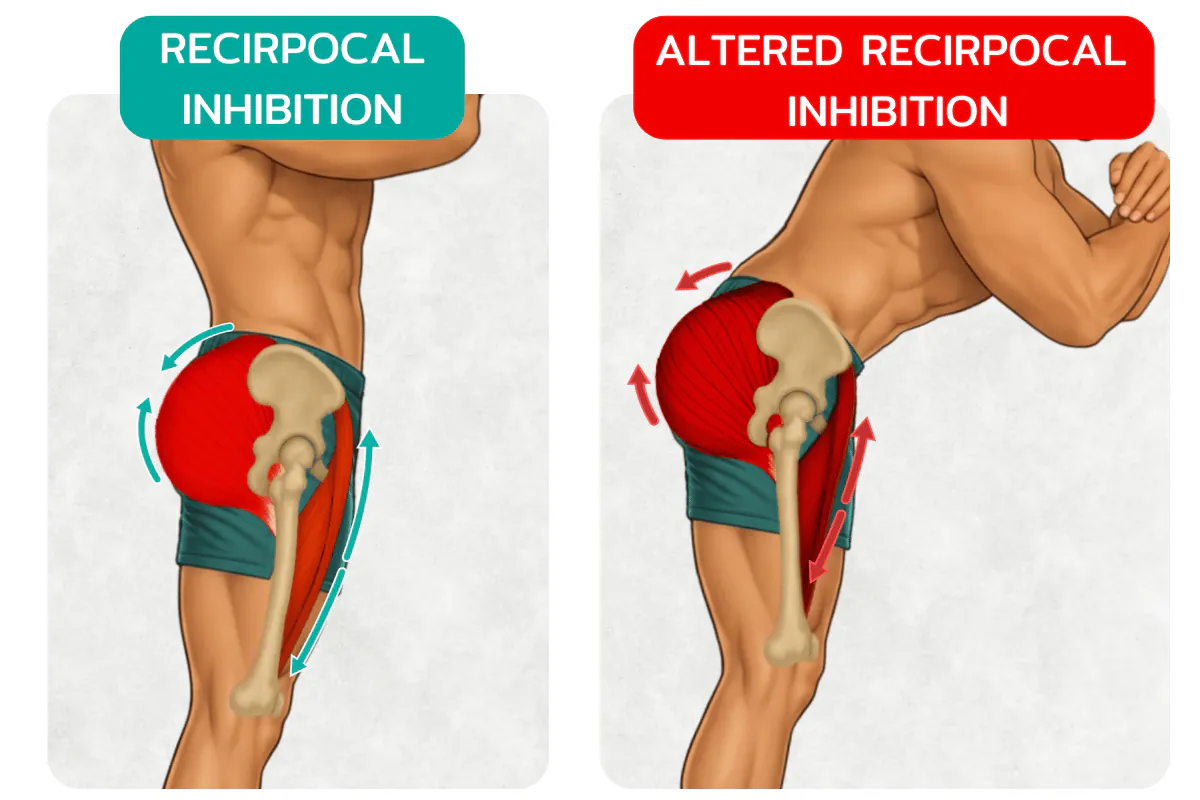
A 2024 study confirmed this directly: women with tight hip flexors showed 60% less glute activation and 2.6x more hamstring activity during squats compared to those with normal mobility [3].
In short: tight hips block glute function, forcing the legs to overwork and overdevelop.
Cause #2: A Weak Core
Your body follows a simple principle: proximal stability enables distal power. Put more simply: a stable base lets you generate more force. Think of how much faster you can run on the road versus on sand.
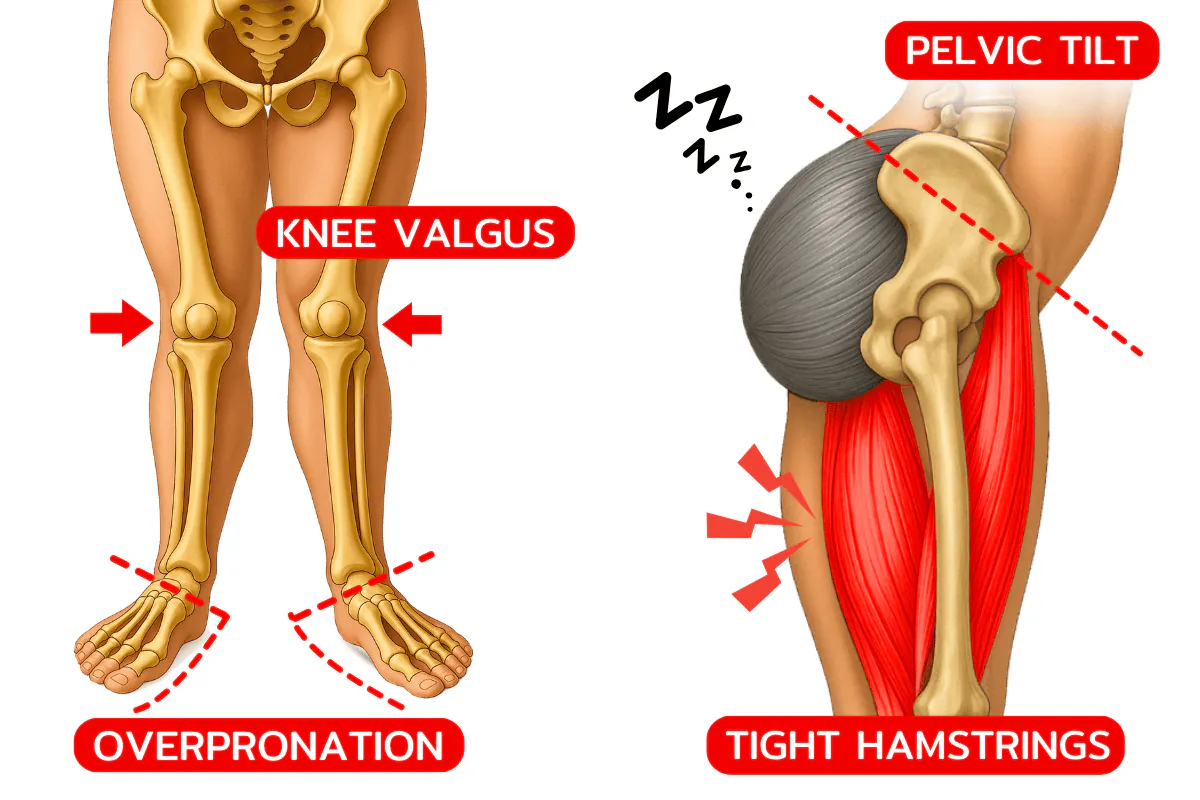
Your glutes are no different. They can only fire at maximum power when they're contracting off a stable pelvis. And it's your core's job to keep that pelvis stable. But when the core is weak, the pelvis tilts, the glutes lose leverage, and the hamstrings have to pick up the slack.
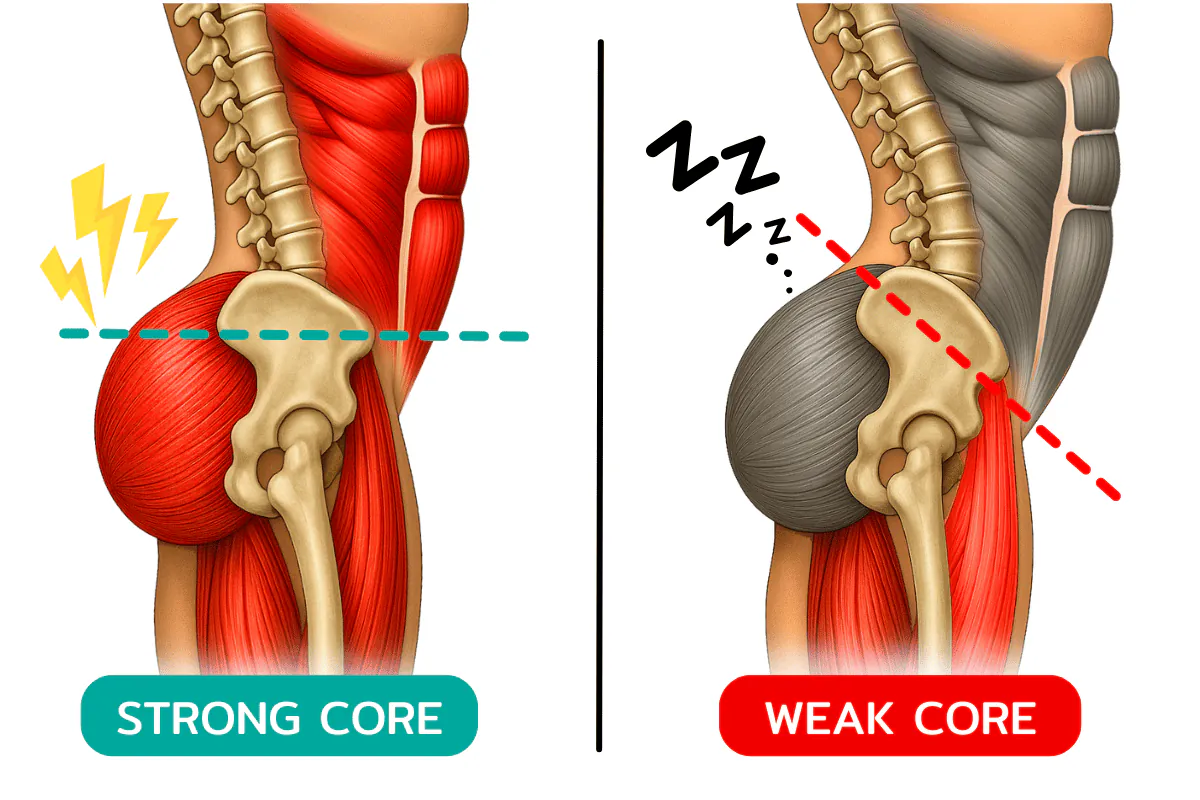
» MORE: How to Unlock Glute Strength With Core Stability
Cause #3: Dysfunctional Feet
When the feet overpronate, the ankles collapse, the knees fall into valgus, the hips internally rotate, and the pelvis tilts forward [4]. That tilted pelvis puts the glutes in a mechanically disadvantaged position, making it much harder for them to fire [5].
And when the glutes can't fire, the hamstrings take over.
A 2023 study confirmed the connection, finding a strong correlation between overpronated feet and tight hamstrings [6].
How to Build Bigger, Stronger Glutes
1. Stretch Your Hip Flexors
If tight hip flexors are inhibiting your glutes, the first step is obvious: restore hip flexor length.
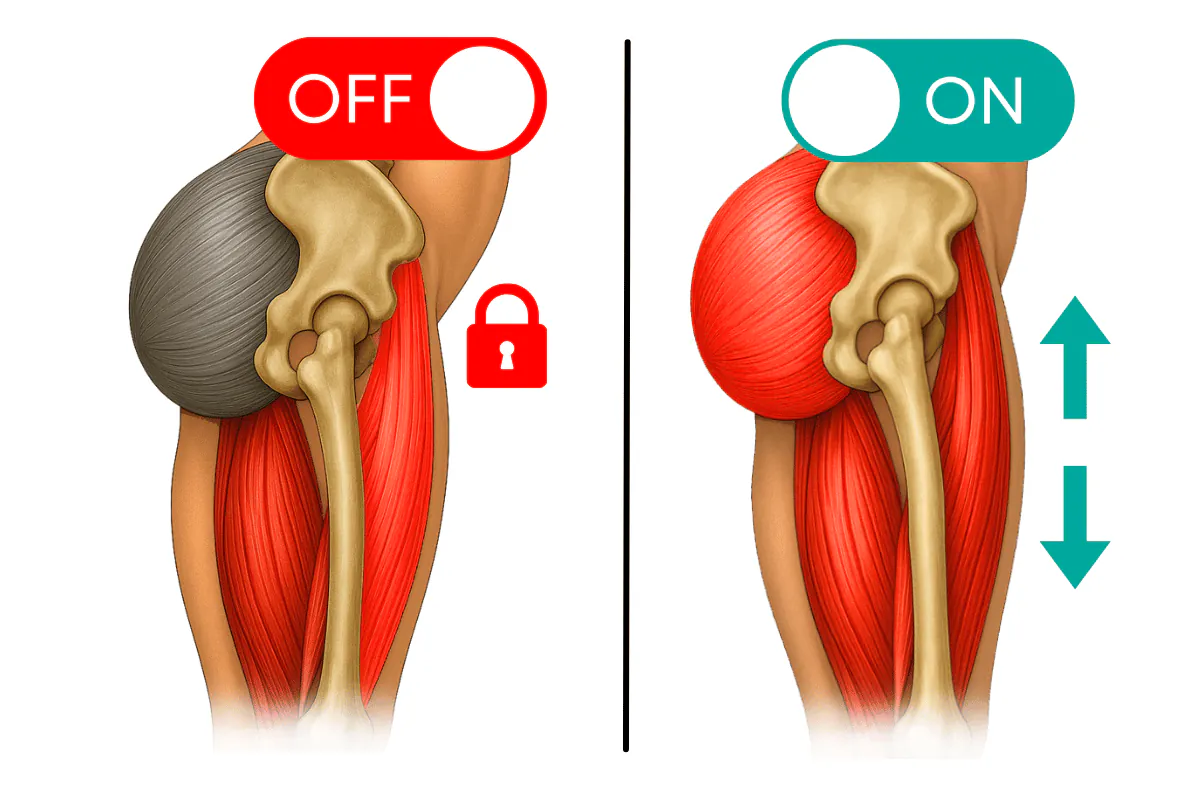
One study found that just improving hip mobility can shift you from a hamstring-dominant pattern back to a glute-dominant one [7].
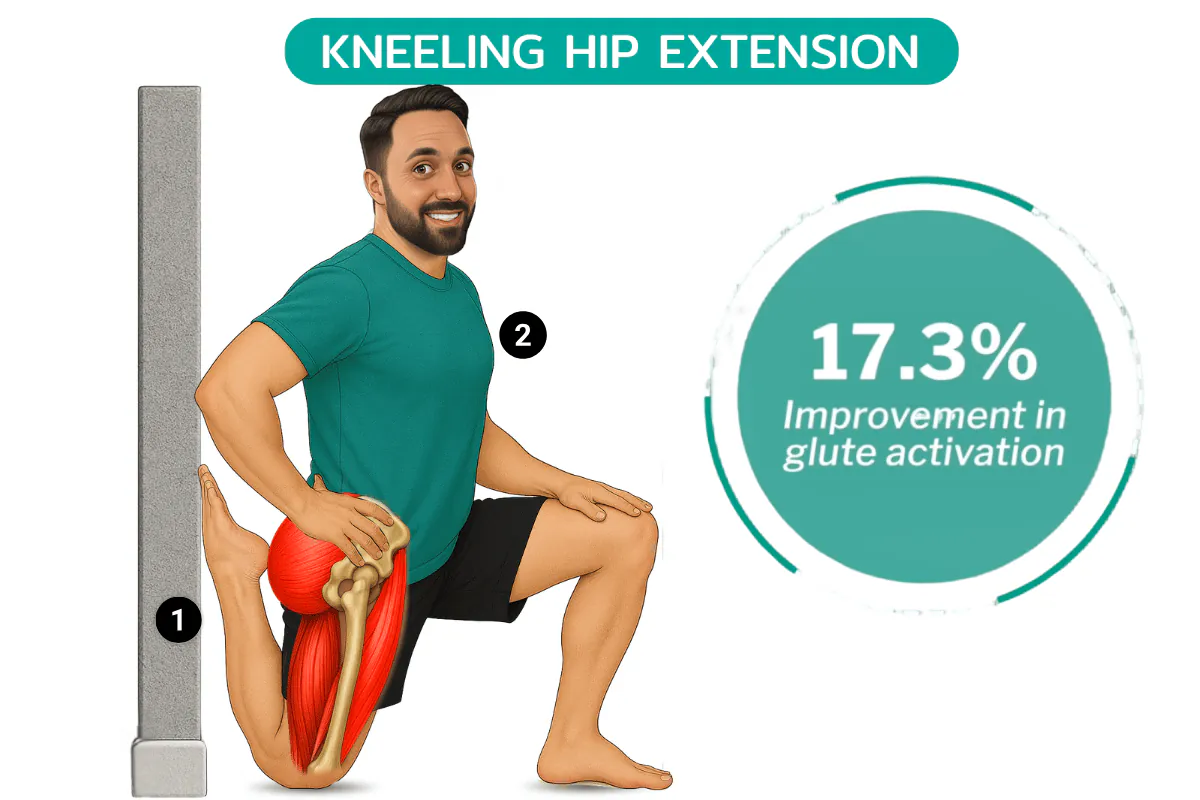
We tested this in our 5-day glute transformation experiment, where we had five participants do hip flexor stretches for 20 minutes a day. After just five days, we saw an average 17.3% improvement in glute activity during the goblet squat, with one participant improving by 38.1%.
You don't need 20-minute sessions. A few focused minutes daily goes a long way. Hold each stretch at least 60 seconds and brace your core so the pelvis stays neutral.
The kneeling hip extension drill is one of my favorites.
» MORE: How to Get Perfect Hip Mobility in 3 Steps (Science-Based Approach)
2. Build Core Stability
Studies show that adding core stability work to glute exercises increases glute activation by up to 26% [2] [8].
This is because the core and glutes are not only connected indirectly through the pelvis, but also directly through fascial tissue.
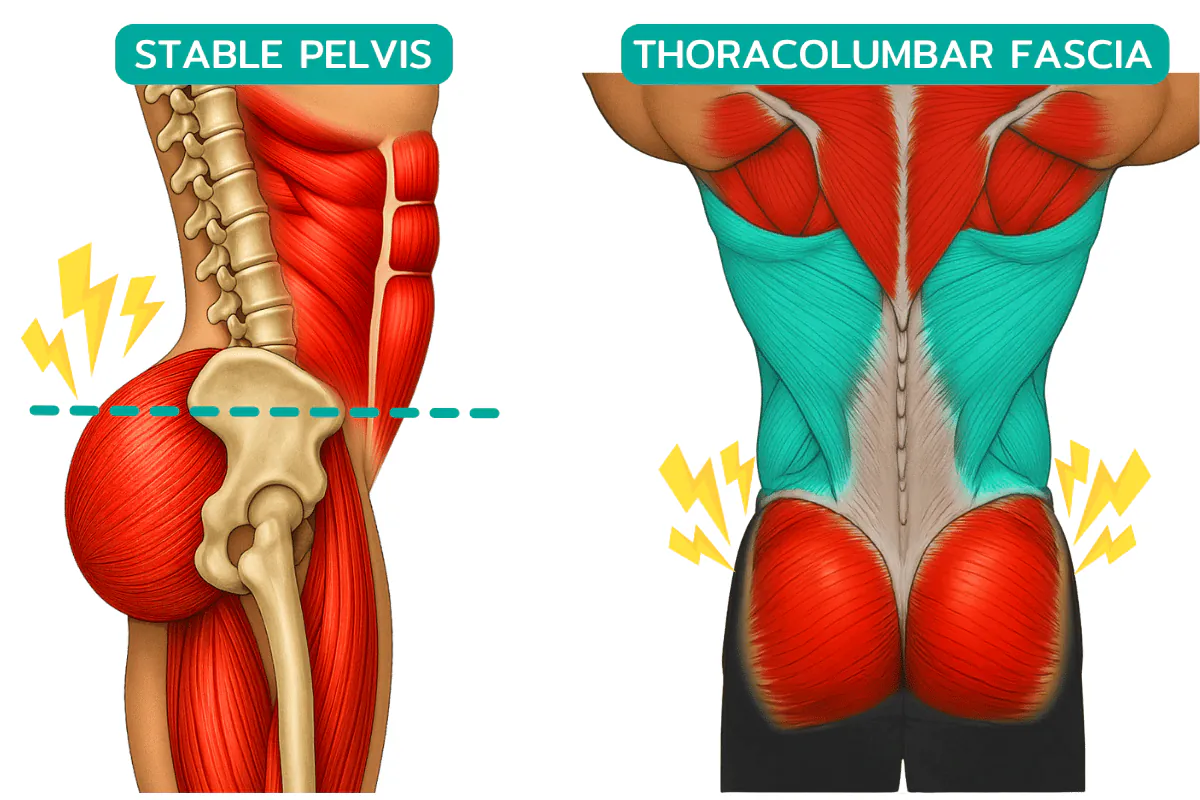
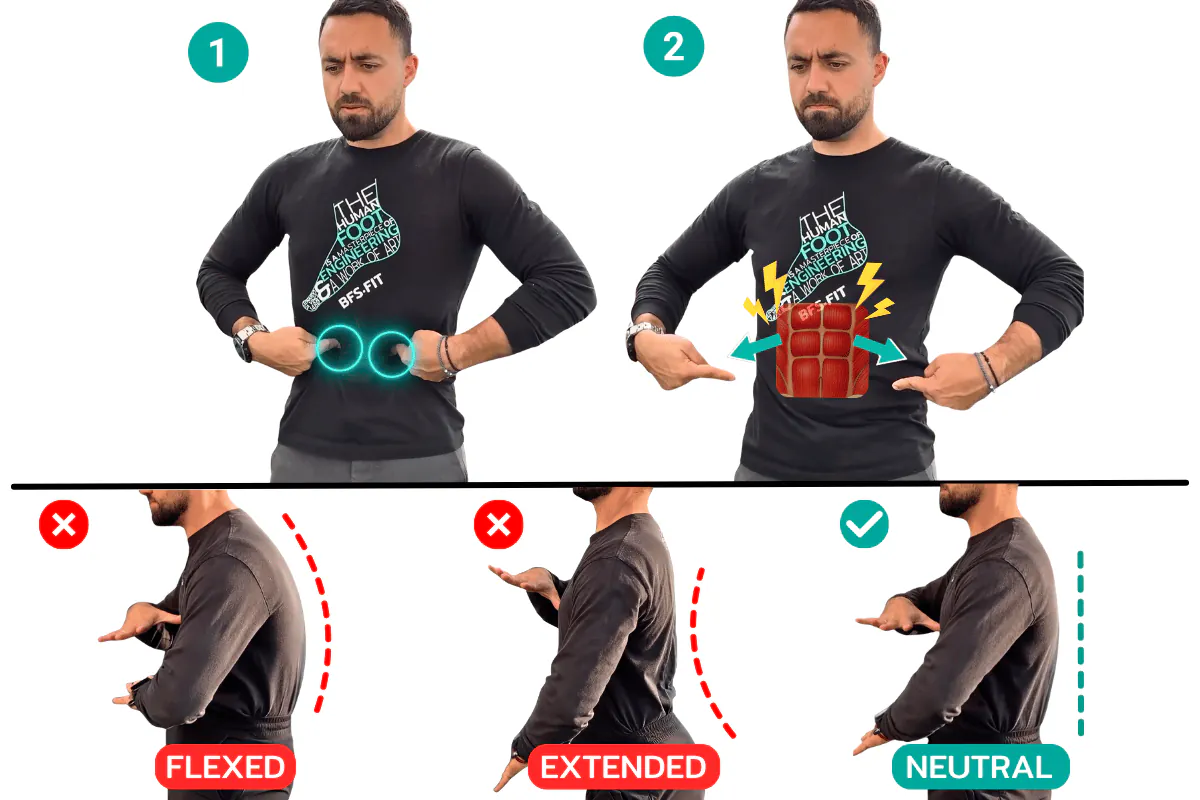
The best way to strengthen this connection between them in every workout is by using the belly bracing technique.
Why do you think the world's best powerlifters brace before every heavy lift?
Because tension through the mid-section gives the glutes a stable base to fire from. But bracing should be part of your strategy on every rep, not just max efforts.
A simple bracing cue:
Poke your fingers deep into your abdomen
Contract your abs to force them back out.
You're now braced and ready to lift.
!! Just make sure to keep your spine neutral throughout. Don't flex or extend.
» MORE: How to Unlock Glute Strength With Core Stability
3. Fix Your Feet
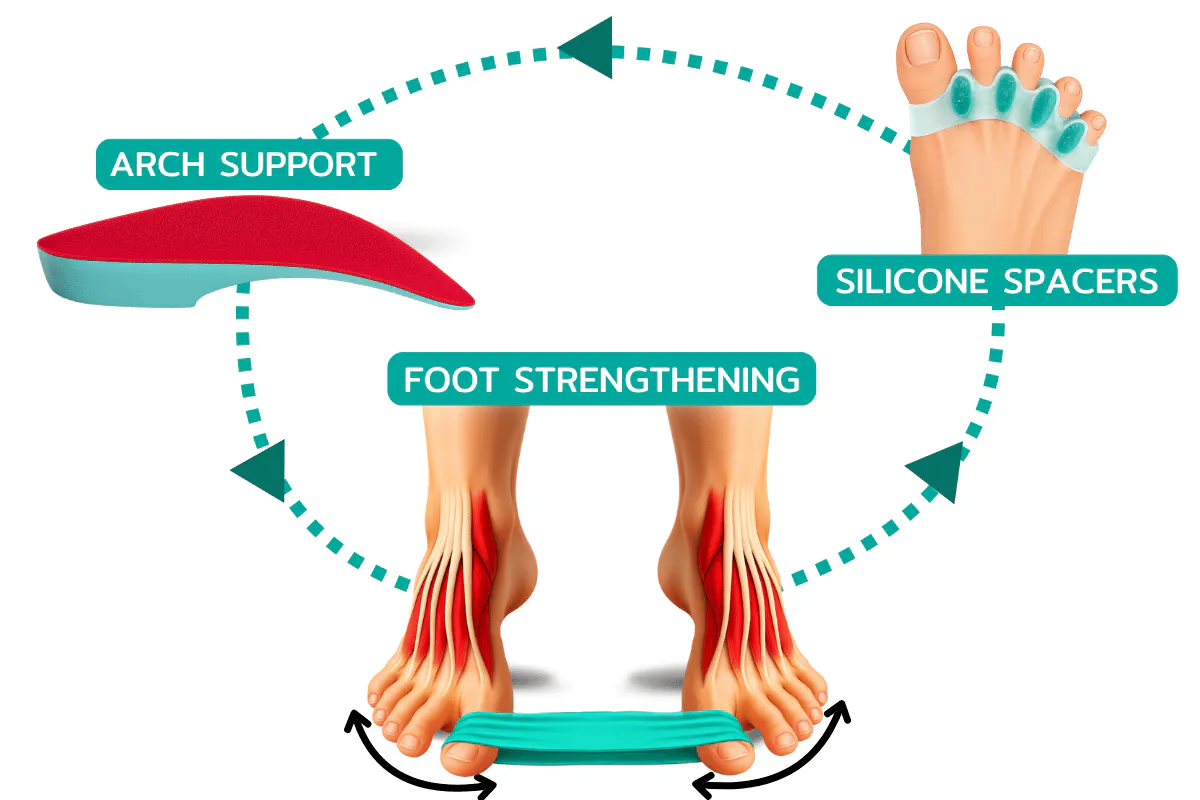
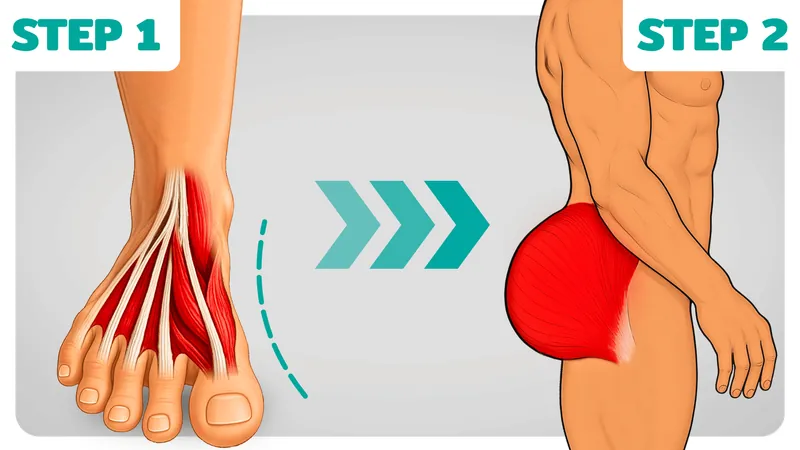
A 2020 study showed that people with higher arches had significantly more glute activity during walking than those with flat or neutral feet [9]. Here's our 3-step protocol for strengthening your foot arches:
Step 1: Temporary arch support.
If your arches are collapsed, start with insoles. A 2005 study found foot orthotics significantly increased glute activity during single-leg squats and lateral stepdowns [10]. But there's a catch! Wear them too long and your feet get weaker. A 2020 study found 12 weeks of arch support reduced intrinsic foot muscle strength by 14.7% [11].
Step 2: Build long-term arch strength.
A 2024 study found that combining foot strengthening exercises with arch support significantly outperformed supports alone [12]. This step is critical for sustainably strong arches.
Step 3: Use toe spacers.
Silicone toe spacers restore natural toe splay and realign the big toe, widening the foot's base and positioning the intrinsic muscles to contract more powerfully. Our internal EMG testing showed toe spacers increased glute activity by 7% during the step-up [13].
» The arch support and toe spacers we recommend: #Strength Tools
» MORE: How to Get Strong Feet & Glutes at The Same Time (with exercises)
4. Choose the Right Exercises
Once you've built hip mobility, core stability, and stronger feet, choose exercises that can maximize glute growth in every training session.
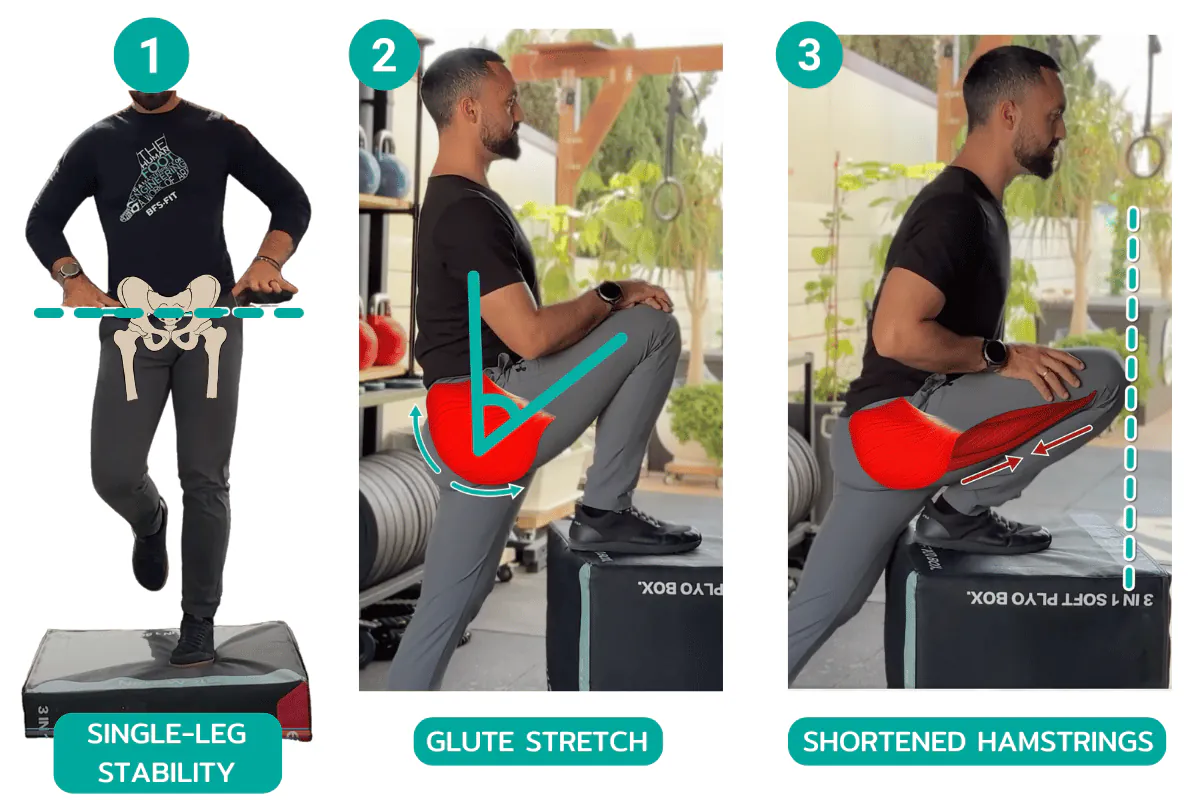
The best glute exercise: the step-up
A 2020 literature review analyzing 24 exercises found step-ups produced the highest gluteus maximus activation of all [14]. Here’s why:
As a single-leg exercise, your glutes work hard to drive you up and stabilize you on one leg.
Stepping onto the box forces deep hip flexion, stretching the glutes — and muscles fire harder when contracting from a stretch [15] [16].
Stepping onto the box, the knee travels past the toes, shortening the hamstrings and shifting load to the glutes [17].
» MORE: The Best Glute Exercise For Strength & Endurance (Science-Based)
The best bilateral squat: the front squat
But, if you prefer bilateral movements, the front squat beats the back squat and deadlift for glute activation. A 2018 study comparing glute activity across the three lifts found [18]:
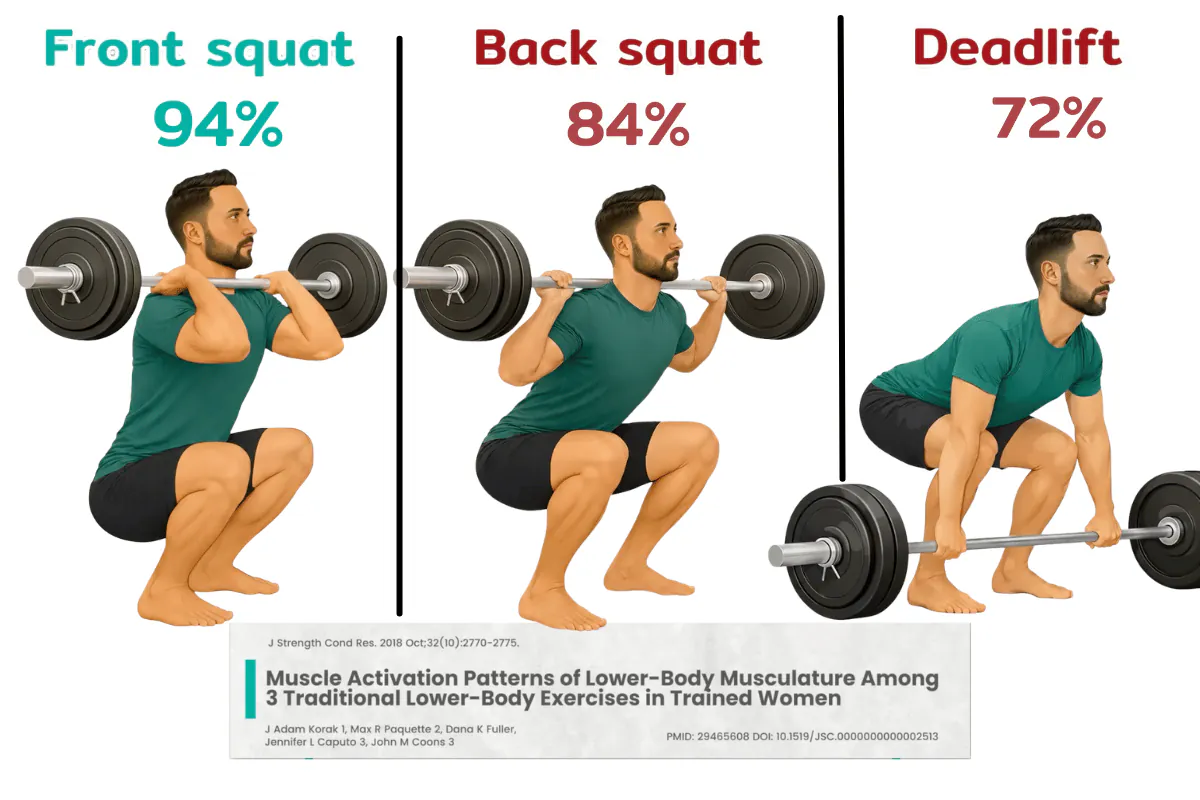
Here's why:
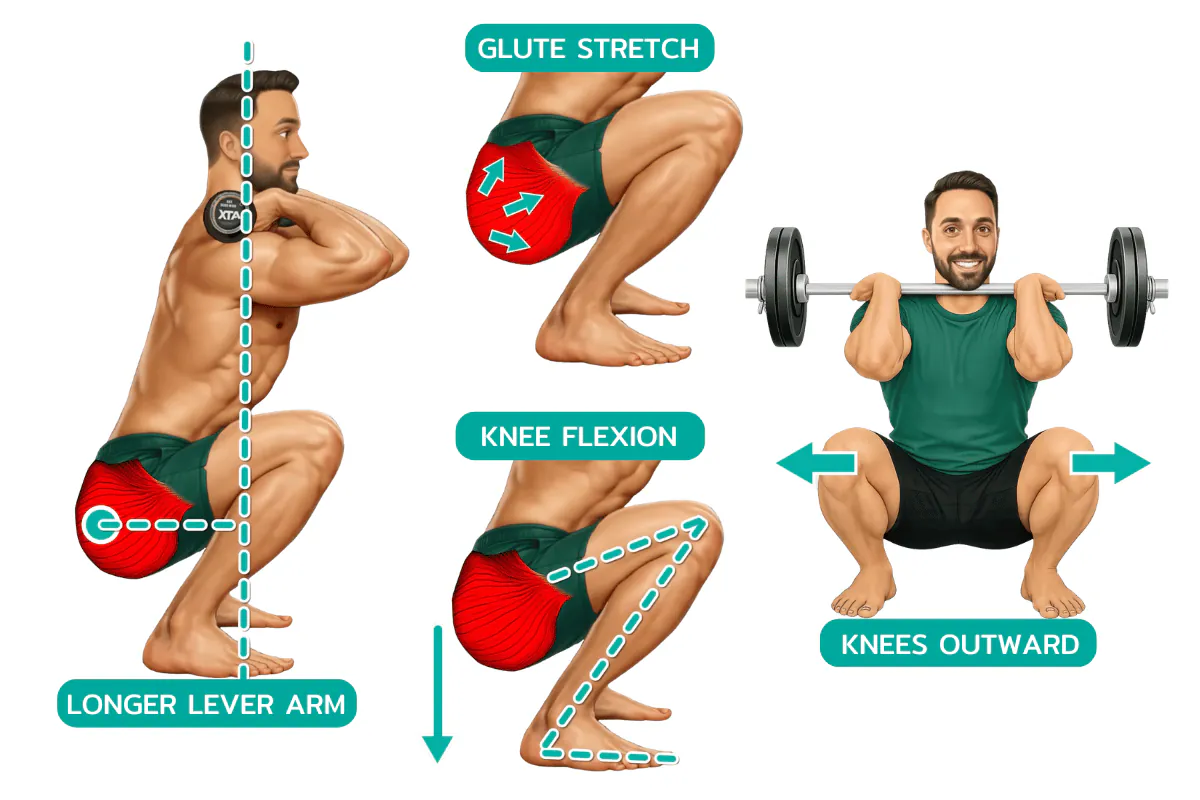
The front bar placement forces the glutes to work harder to keep your torso upright.
It lets you squat deeper, stretching the glutes — and a stretched muscle produces more force.
The deeper position bends the knees more, shortening the hamstrings so they contribute less.
The front-rack position pushes the knees outward, which fires up the glutes even more.
» MORE: The Squat Method That Transforms Glute Development
Take Action Today
If your glutes are flat and your legs keep growing, more squats won't fix it. Address the following root causes instead:
Stretch your hip flexors daily to restore glute activation.
Build core stability and brace every rep.
Strengthen your feet with arch support, foot exercises, and toe spacers.
Choose glute-dominant exercises — prioritize step-ups and front squats.
Start with one change today and layer in the others over time.
For a full system – complete with personalized assessments, guided progressions, and over 150 targeted exercises and follow-along workouts become a member of The Barefoot Strength Academy.
Sources
The sources cited in this article. Select a small reference number to return to its place in the article.
- Quadriceps effort during squat exercise depends on hip extensor muscle strategy.. Bryanton MA, Carey JP, Kennedy MD, Chiu LZ.. Sports Biomech. 2015. 1
- Electromyographic analysis of gluteus medius and gluteus maximus during rehabilitation exercises.. Boren K, Conrey C, Le Coguic J, Paprocki L, Voight M, Robinson TK.. Int J Sports Phys Ther. 2011. 2a 2b
- The Effect of Hip Flexor Tightness on Muscle Activity during the Front Squat. Sarah C. Martinez-Sepanski, Angie Bowman, Ketlon Mehls. International Journal of Strength and Conditioning. 2024. 3
- The effect of foot hyperpronation on spine alignment in standing position.. Ghasemi MS, Koohpayehzadeh J, Kadkhodaei H, Ehsani AA.. Med J Islam Repub Iran. 2016. 4
- ASSESSING AND TREATING GLUTEUS MAXIMUS WEAKNESS - A CLINICAL COMMENTARY.. Buckthorpe M, Stride M, Villa FD.. Int J Sports Phys Ther. 2019. 5
- Correlation Between Foot Posture and Hamstring Muscle Tightness.. Gulrandhe P, Yadav V, Naqvi WM.. Cureus. 2023. 6
- EFFECT OF RESTRICTED HIP FLEXOR MUSCLE LENGTH ON HIP EXTENSOR MUSCLE ACTIVITY AND LOWER EXTREMITY BIOMECHANICS IN COLLEGE-AGED FEMALE SOCCER PLAYERS.. Mills M, Frank B, Goto S, Blackburn T, Cates S, Clark M, Aguilar A, Fava N, Padua D.. Int J Sports Phys Ther. 2015. 7
- Effects of performing an abdominal drawing-in maneuver during prone hip extension exercises on hip and back extensor muscle activity and amount of anterior pelvic tilt. Jae-Seop Oh, Heon-Seock Cynn, Jong-Hyuk Won, Oh-Yun Kwon, Chung-Hwi Yi. The Journal of orthopaedic and sports physical therapy. 2007. 8
- An exploratory study investigating the effect of foot type and foot orthoses on gluteus medius muscle activity.. Sadler S, Spink M, de Jonge XJ, Chuter V.. BMC Musculoskelet Disord. 2020. 9
- Effect of foot orthotics on quadriceps and gluteus medius electromyographic activity during selected exercises.. Hertel J, Sloss BR, Earl JE.. Arch Phys Med Rehabil. 2005. 10
- The effect of a 12-week custom foot orthotic intervention on muscle size and muscle activity of the intrinsic foot muscle of young adults during gait termination.. Protopapas K, Perry SD.. Clin Biomech (Bristol). 2020. 11
- Effects of foot exercises and customized arch support insoles on foot posture, plantar force distribution, and balance in people with flexible flatfoot: A randomized controlled trial.. Kirmizi M, Sengul YS, Akcali O, Angin S.. Gait Posture. 2024. 12
- The effects of therapeutic hip exercise with abdominal core activation on recruitment of the hip muscles.. Chan MK, Chow KW, Lai AY, Mak NK, Sze JC, Tsang SM.. BMC Musculoskelet Disord. 2017. 13
- Gluteus Maximus Activation during Common Strength and Hypertrophy Exercises: A Systematic Review. Walter Krause Neto, Enrico Gori Soares, Thais Lima Vieira, Rodolfo Aguiar, Thiago Andrade Chola, Vinicius de Lima Sampaio, Eliane Florencio Gama. Journal of sports science & medicine. 2020. 14
- Electromyographical analysis of lower extremity muscle activation during variations of the loaded step-up exercise. Christopher J Simenz, Luke R Garceau, Brittney N Lutsch, Timothy J Suchomel, William P Ebben. Journal of strength and conditioning research. 2012. 15
- Force enhancement following stretching of skeletal muscle. W. Herzog, T. R. Leonard. Journal of Experimental Biology. 2002. 16
- Building a better gluteal bridge: electromyographic analysis of hip muscle activity during modified single-leg bridges.. Lehecka BJ, Edwards M, Haverkamp R, Martin L, Porter K, Thach K, Sack RJ, Hakansson NA.. International journal of sports physical therapy. 2017. 17
- Muscle Activation Patterns of Lower-Body Musculature Among 3 Traditional Lower-Body Exercises in Trained Women. J Adam Korak, Max R Paquette, Dana K Fuller, Jennifer L Caputo, John M Coons. Journal of strength and conditioning research. 2018. 18
Watch the video
FREE 7-DAY EMAIL COURSE
Sign up for our free Strong Feet and Glutes course
Get a lesson in your inbox every day for 7 days.
Start your free course
You'll also join our newsletter. Unsubscribe at any time.