
How to Get Strong Feet & Glutes at The Same Time (with exercises)
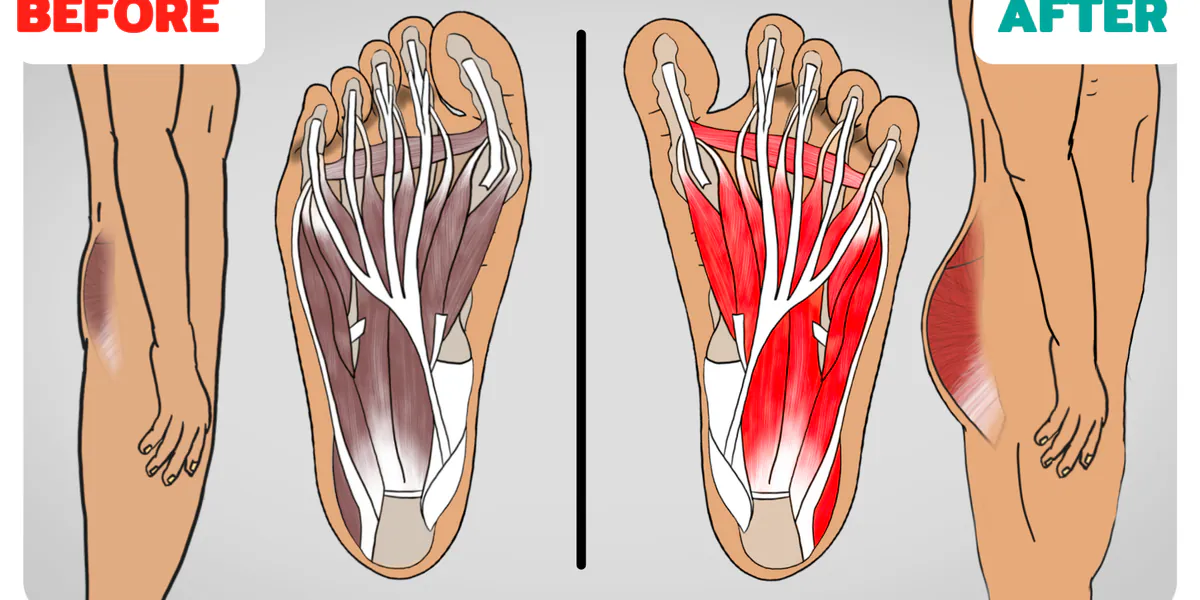
We all have different goals for our bodies—some want to run faster, others want to lift heavier, and many want to develop new technical skills. But no matter the specific outcome you’re chasing, every goal relies on one fundamental requirement: you have to move your body. The quality of your movement, in turn, depends on a strong foundation.
At Barefoot Strength, we believe this foundation is built on two critical pillars: the feet and the glutes. When both work together in harmony, they provide you with the stability, control, and power you need to thrive in any physical activity, all while minimizing injury risk.
Why Feet and Glutes Matter
The “Currency” of Movement
Think about movement as a currency—you spend it on everything from walking to sprinting to lifting weights. If you’re “rich” in movement, it means you’re able to perform well without pain or injury. And just like any solid structure, you need a strong base to support everything else.
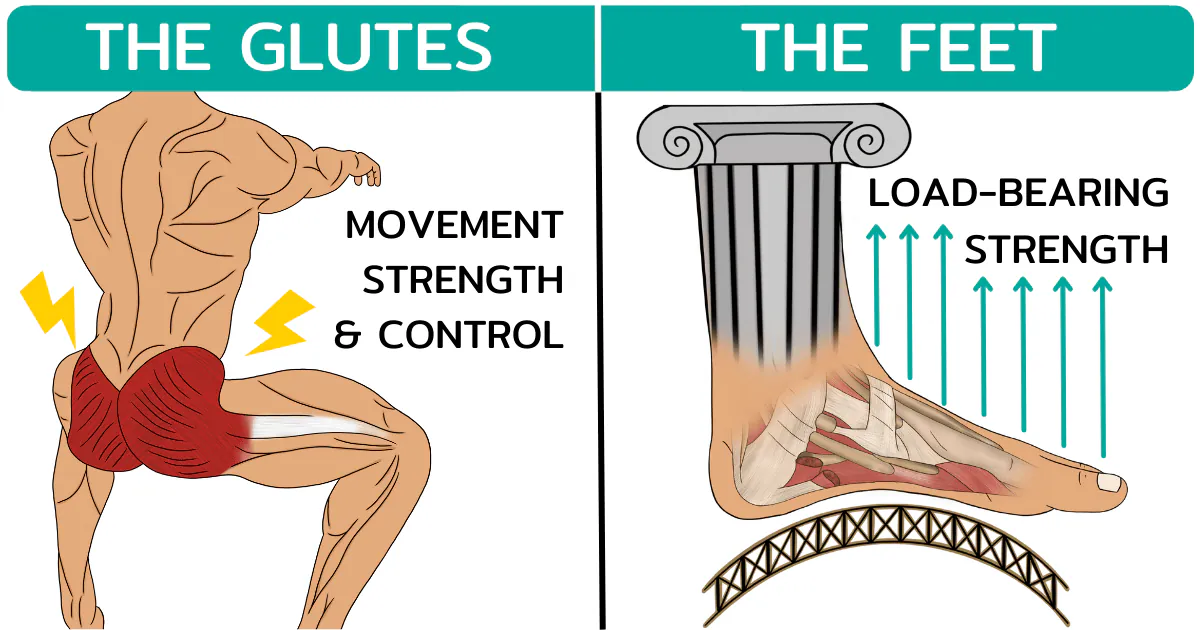
Your glutes are your primary drivers of movement strength and control around the hips. Your feet offer load-bearing strength, carrying your entire body’s weight and transmitting force into the ground. When these two work in unison, the result is a stable, adaptable foundation for almost any motion you can imagine.
Testing Your Feet & Glute Strength: The Single-Leg Stability Test
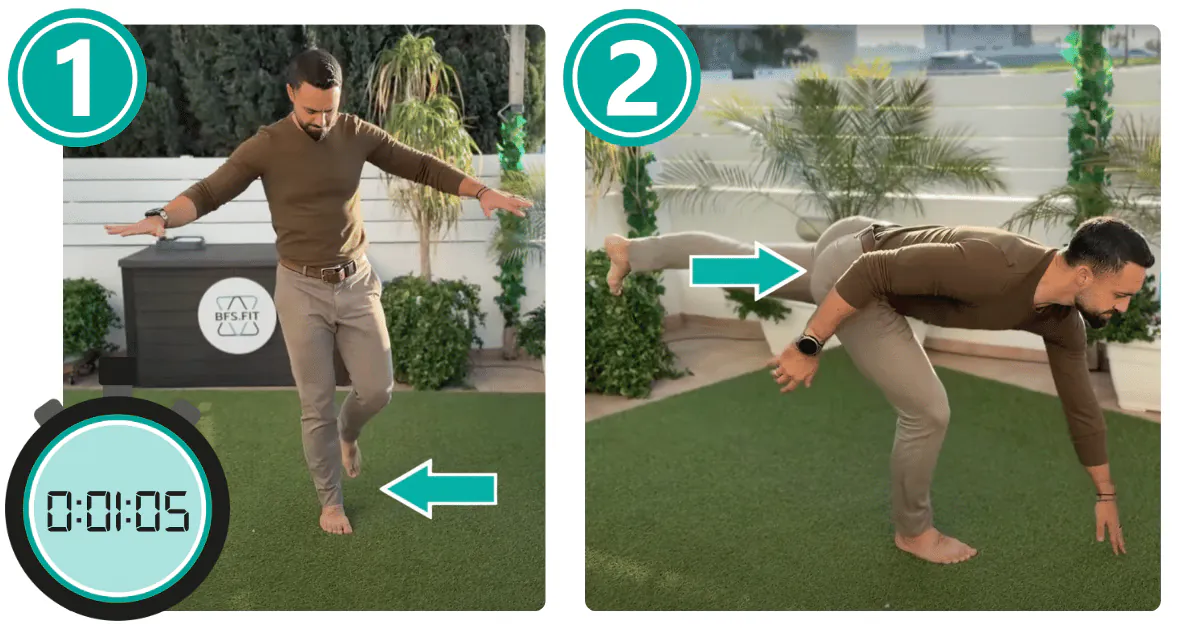
One of the simplest ways to see how crucial your feet and glutes are is by performing a single-leg balance test:
1. Stand barefoot on one leg for at least a minute. Notice how much work your feet and glutes do to keep you from toppling over.
2. Add gentle movement, such as shifting your arms or torso. Feel how the glutes stabilize your hips while the foot remains rock-solid to support the shifting weight.
If you find it difficult to hold this position, either statically or with slight movement, it’s a strong indicator that your foundational strength—particularly foot and glute control—needs attention.
Why Single-Leg Stability Matters
• About 60-70% of walking is spent on one leg at a time.
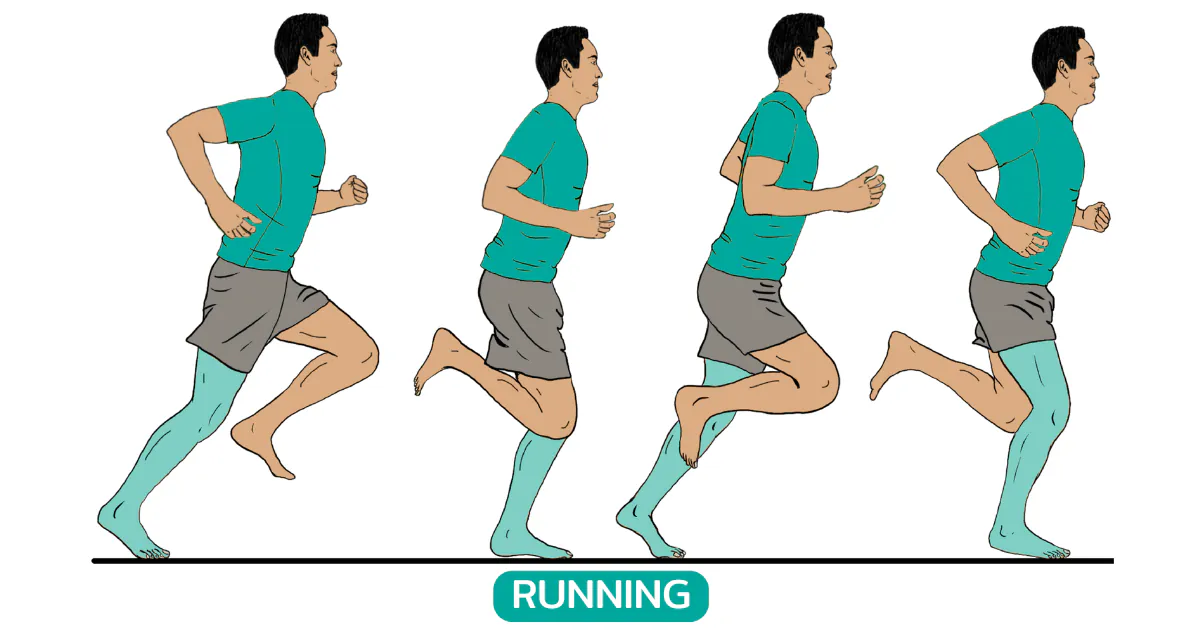
• Running requires single-leg support 100% of the time during the stride cycle [1] [ref 2].
When single-leg balance is weak, every step you take could be setting you up for compensation patterns—and potentially, injuries.
The Feet-Glute Partnership
How Weak Glutes Affect Your Feet
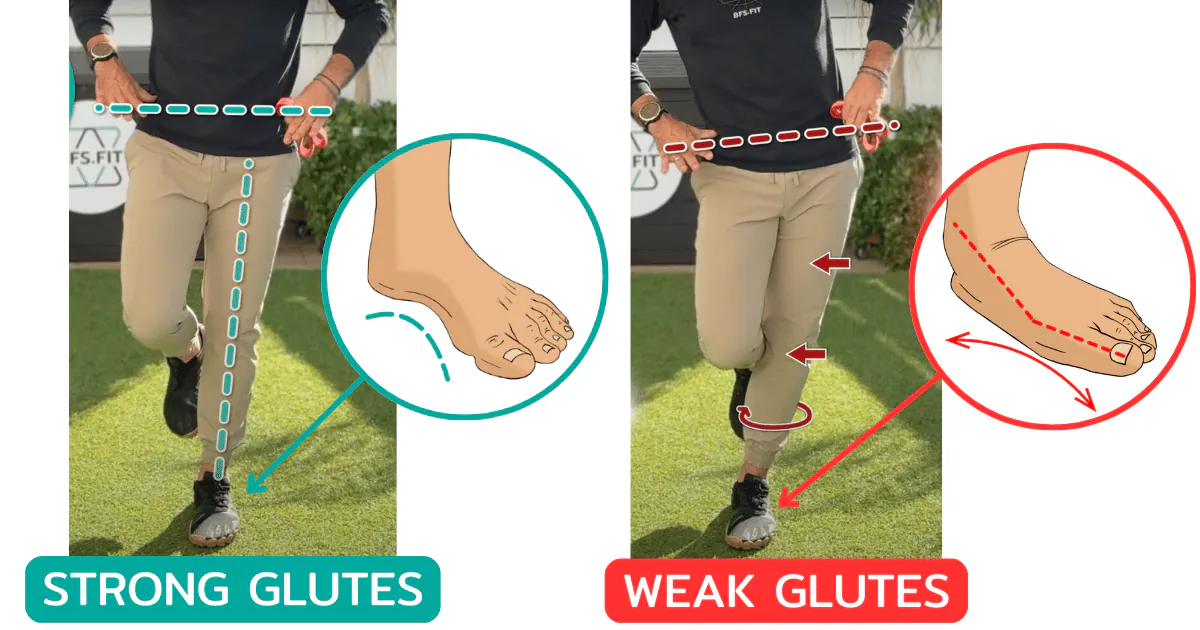
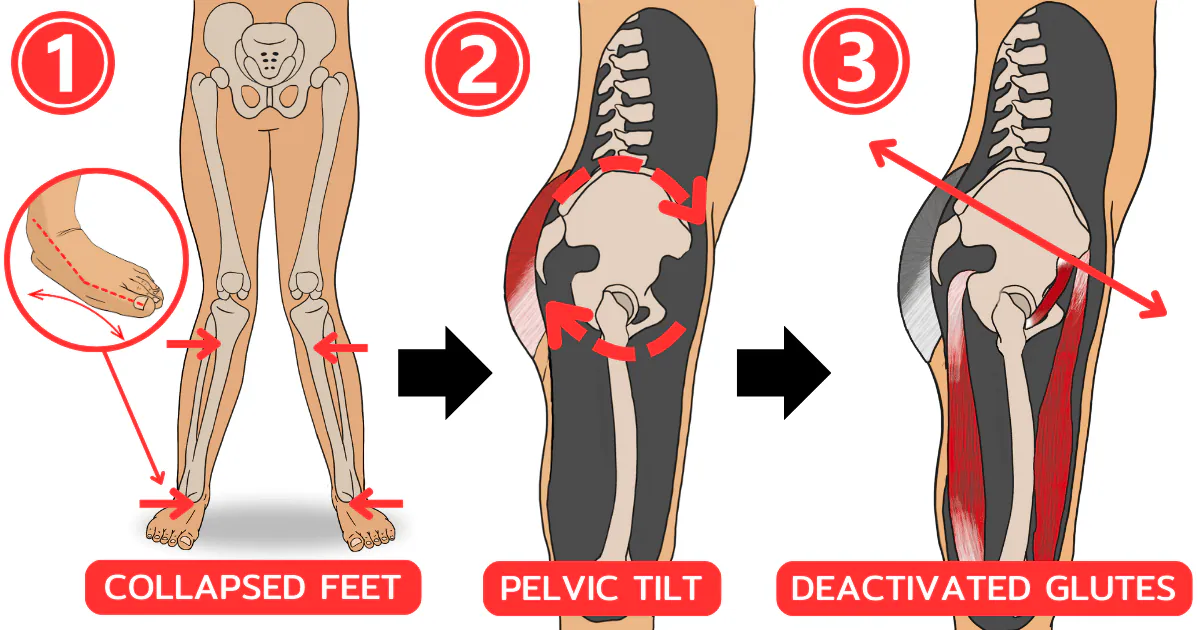
Your glutes play a major role in keeping your pelvis level and controlling the position of your thighs and knees. If your glutes are weak, your pelvis can tilt and send your knee and shin inward. This internal rotation destabilizes the ankle and causes the foot arch to collapse (overpronation) [1] [2] [3].
How Weak Feet Affect Your Glutes
The connection works in reverse, too. When your feet collapse, they pull your lower leg inward and cause your pelvis to tilt forward (anterior pelvic tilt) [4]. This unnatural tilt lengthens the hamstrings and deactivates the glute muscles, making the glutes far less effective [1].
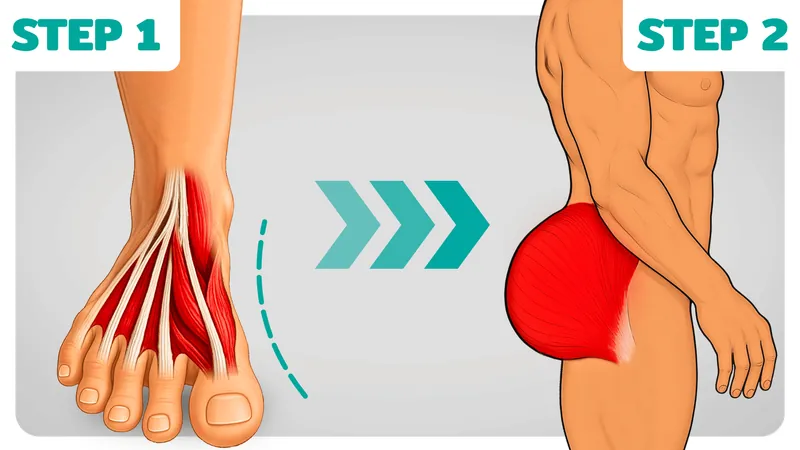
Because these two areas depend on each other, it’s often hard to tell where the root problem lies. That’s why we recommend training both the feet and glutes simultaneously. By doing so, you ensure each pillar of your foundation can support the other.
Common Causes of Weak Feet and Glutes
The Glute-Killer: Chairs
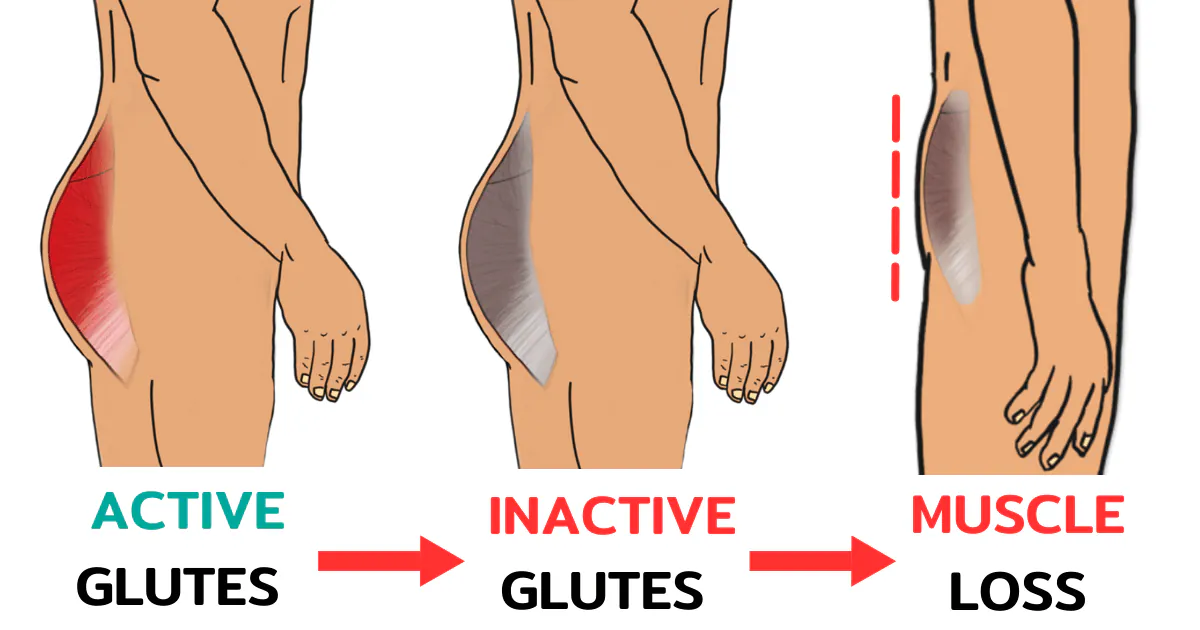
Most of us spend 10+ hours a day sitting—at work, in our cars, and at home. When you’re seated, your glutes effectively “shut off.” I tested this in a university sports lab using shorts that track muscle activity. The glute muscle’s activity levels were non existent while seated.
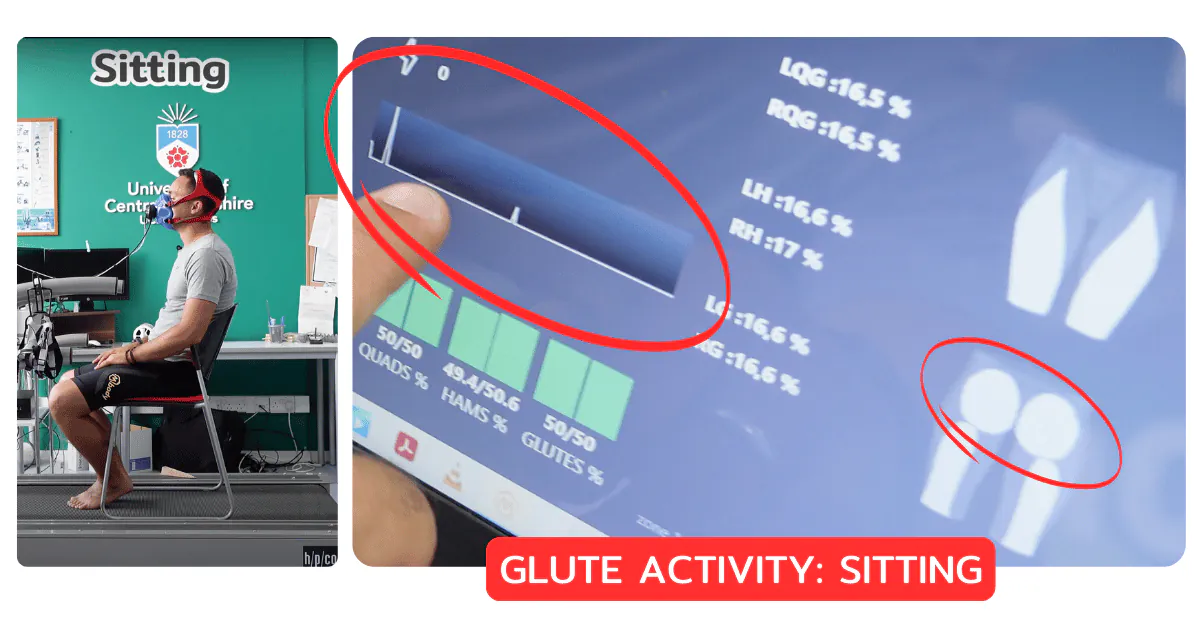
Over time, this leads to atrophy, made worse by tight hip flexors that tilt the pelvis forward and limit the glutes’ ability to properly fire.
Simply put, if you sit often and don’t dedicate time to train and activate your glutes, they’re likely to weaken.
The Foot “Cast”: Modern Footwear
Our feet contain 33 joints, designed for a remarkable degree of flexibility. Modern shoes, however, tend to be rigid and narrow, forcing your foot into a shape that reduces toe splay and collapses your arch.
• Rigid soles mean your foot muscles don’t have to work to stabilize you.
• Narrow toe boxes push your toes together, reducing your base of support and even contributing to bunion formation.
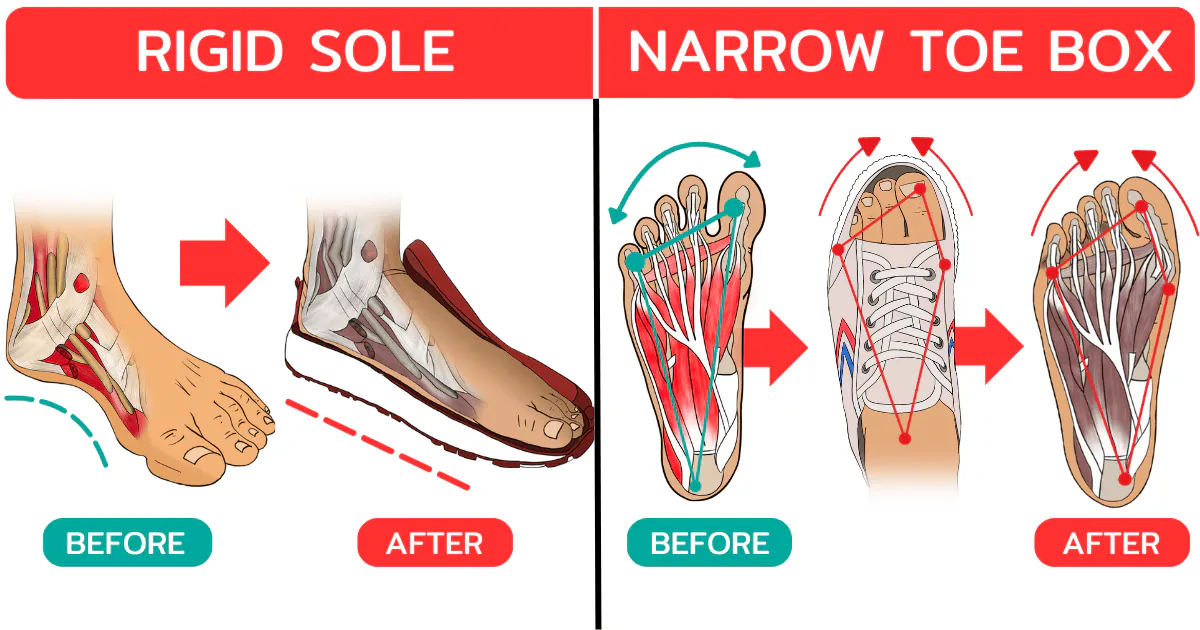
Over time, wearing these shoes can lead to weaker feet and poor balance. At Barefoot Strength, we encourage spending more time barefoot or using minimalist footwear designed to let your toes splay naturally.
Pro Tip: We’ve created a resource called #Barefoot Shoe Finder to help you discover healthier footwear options with wider toe boxes and flexible soles.
How to Strengthen The Feet & Glutes Together
Ready to work both pillars of your foundation at the same time? Below are some simple yet powerful strategies.
1. Silicone Toe Spacers
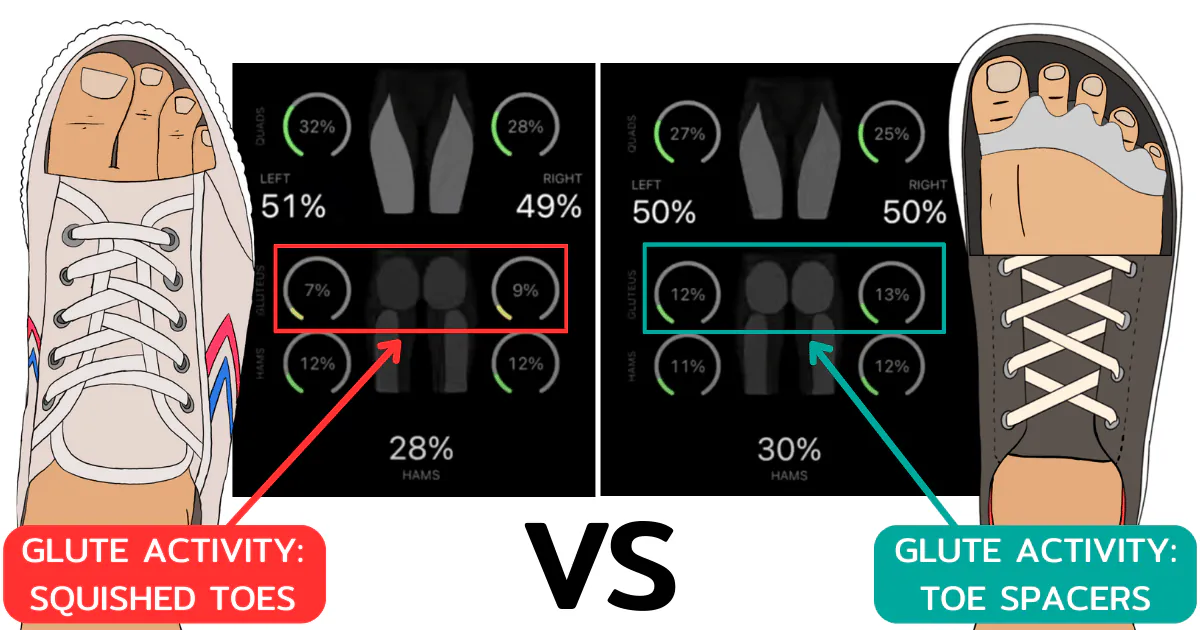
Toe spacers help by increasing your toe splay, effectively broadening your foot’s surface area and providing a more stable base of support.
• In our testing, wearing toe spacers during movements like goblet squats led to higher glute activation.
• Research has also shown that providing support to the foot (e.g., with orthotics) can increase glute activation during single-leg exercises [5].
The takeaway? A more stable foot allows for better force generation in the glutes.
2. Kneeling Toe & Hip Extensions
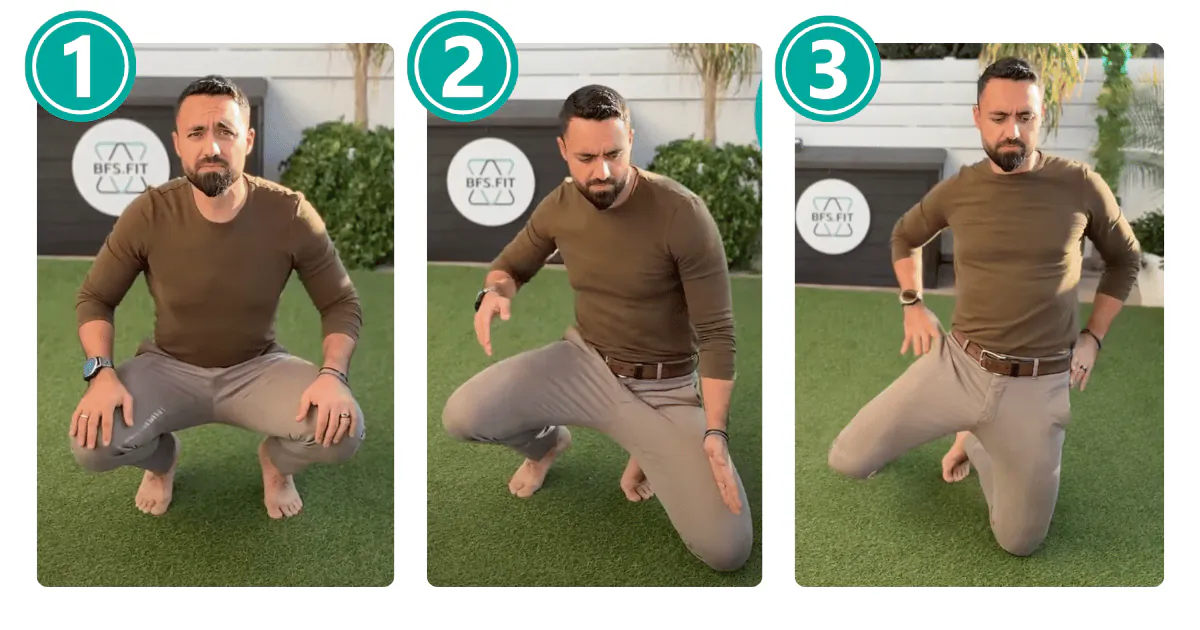
This exercise combines foot and toe strength with hip and glute activation:
1. Start in a squat-like position with your heels elevated, balancing on your toes.
2. Move one knee outward as you lower it gently to the ground. This “winds up” the ankle, encouraging toe splay and maintaining foot stability.
3. Squeeze your glutes to lift your hips into full extension, feeling a stretch in your hip flexors and quads.
4. Return to the starting position and repeat on the other leg.
Try 20-30 reps each morning or before a workout. This activates both your feet and your glutes, setting you up for better movement patterns.
3. Banded Side Steps (Ankle Placement)
Traditional side steps with a band around your knees fire up the glutes. But research shows you can amplify the challenge:
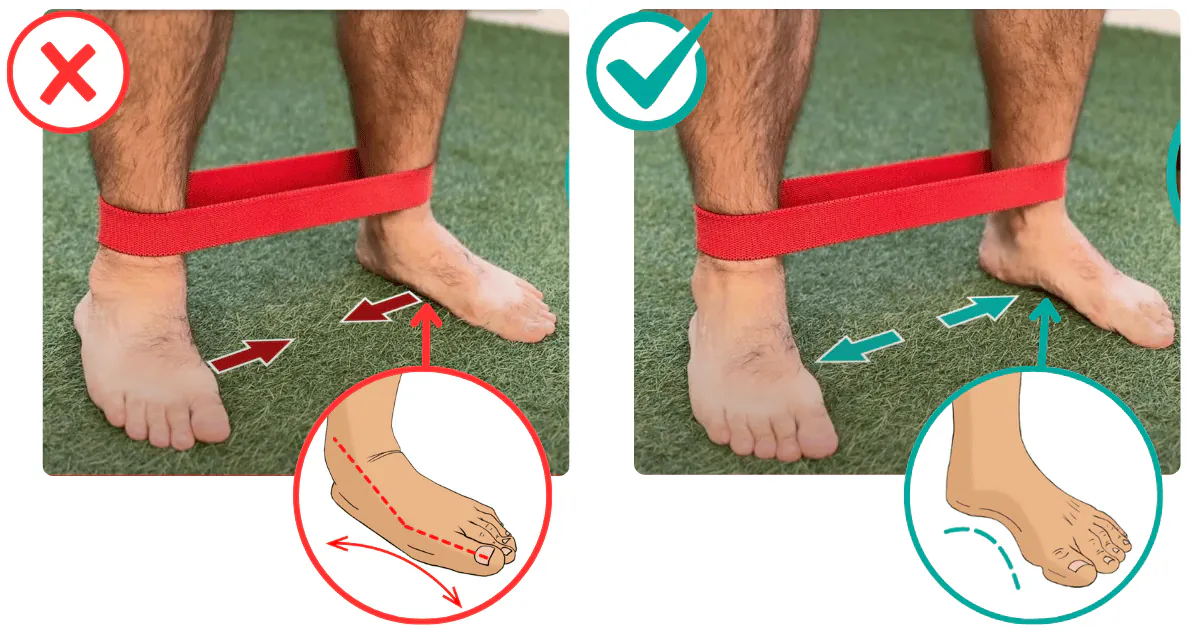
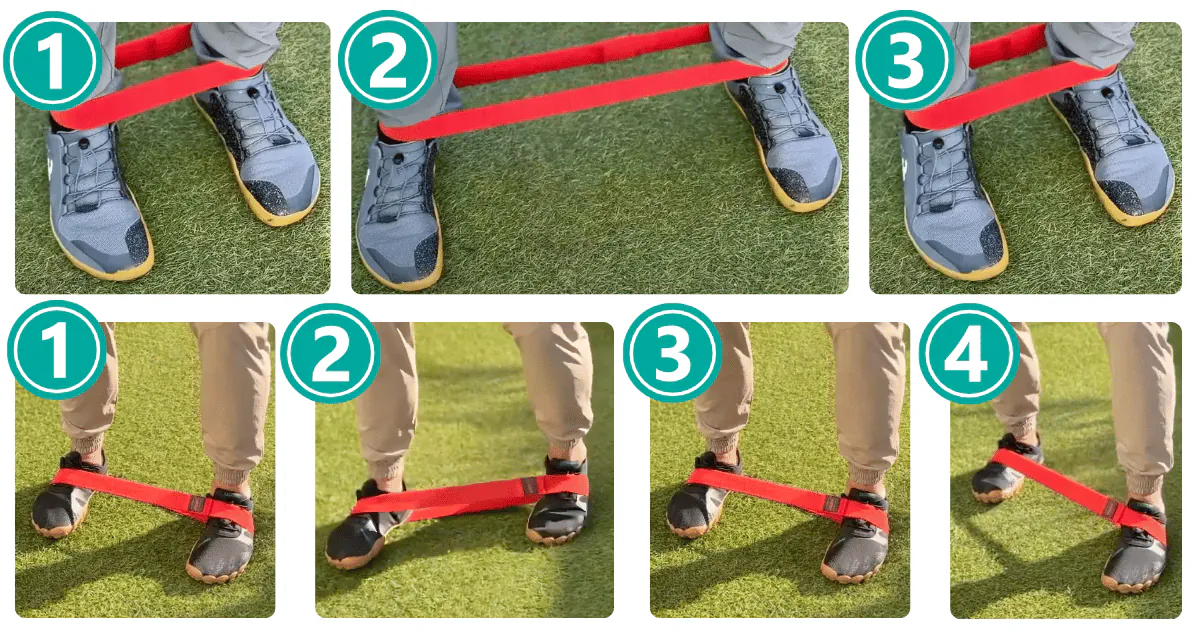
• Place the band around your ankles. This increases glute activation by about 25%, and it also forces your feet into a slight pronation, requiring you to actively lift your arches (supination).
• Move side-to-side, then forward and backward with constant tension in the band.
• Perform 2 sets of 10 steps in each direction to feel an intense burn in both your glutes and foot stabilizers.
4. Single-Leg Balancing Variations
The most direct way to build combined foot and glute strength is through single-leg exercises:
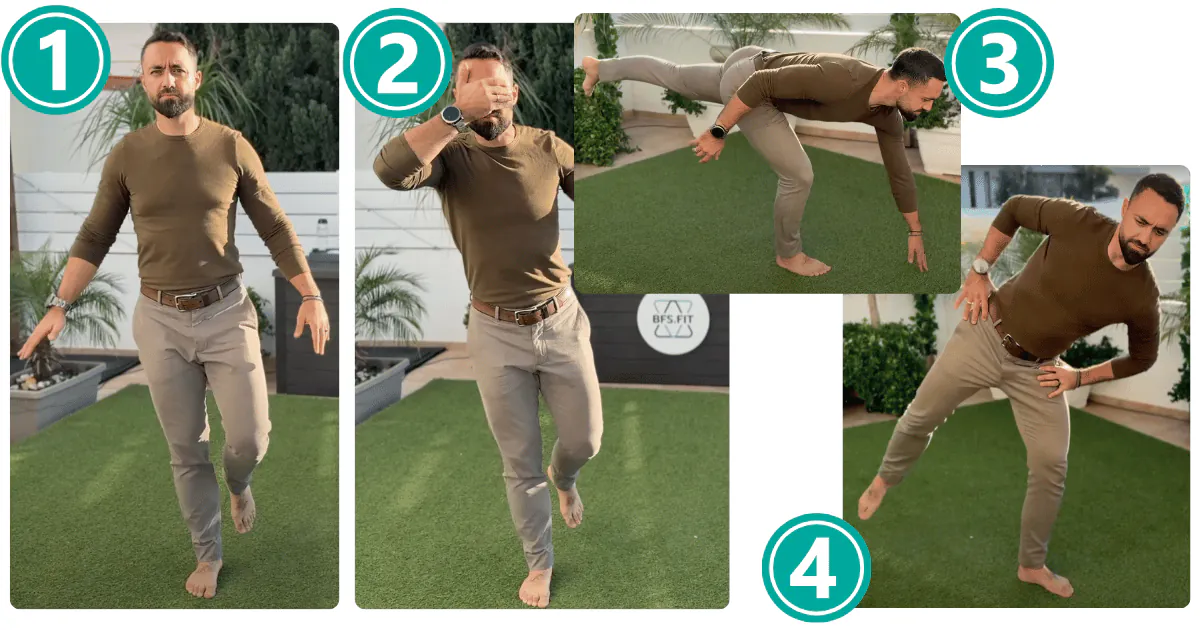
1. Static Hold: Simply stand on one leg for a minute, barefoot.
2. Close Your Eyes: Removing visual cues heightens foot and glute engagement.
3. Add a Hip Hinge: Gently tilt forward at the hips and return to upright. This tests dynamic stability.
4. Add Rotation: Rotate your torso slightly, focusing on rotating at the hips rather than the spine.
For an extra challenge, try balancing on a stable but narrow surface like a thin beam. You’ll quickly feel how much more your feet and glutes have to work to keep you upright.
Join the Barefoot Strength Academy
If you’re looking for a structured, follow-along plan to strengthen your feet and glutes—and the rest of your body—consider joining the Barefoot Strength Academy at BFS.FIT. Inside, you’ll find:
• 60+ carefully designed exercises packaged into 15-minute follow-along workouts.
• New workouts every week, targeting different aspects of foot and glute function.
• Community discussion boards, where you can connect with our team and other members for tips and feedback.
This is the culmination of years of research and practical experience as a Sports and Exercise Scientist. Our community is growing, and we’d love for you to be a part of it.
Final Thoughts
Feet and glutes are the foundation for every movement you make—walking, running, jumping, lifting, and even just standing in a stable posture. By dedicating time to strengthen them both, you’ll create a powerful, adaptable base that supports your athletic or everyday goals. Whether you’re an avid runner, a dedicated lifter, or simply looking to move pain-free, starting with a robust foundation will set you up for long-term success.
Ready to Build a Stronger Base?
Join us at Barefoot Strength Academy, and let’s start strengthening your feet and glutes together!
Start Your Transformation >>Sources
The sources cited in this article. Select a small reference number to return to its place in the article.
- The Vital Glutes: Connecting the Gait Cycle to Pain and Dysfunction. John Gibbons. 2014. 1a 1b 1c
- Effect of Isometric Hip Abduction on Foot and Ankle Muscle Activity and Medial Longitudinal Arch During Short-Foot Exercise in Individuals With Pes Planus.. Choi JH, Cynn HS, Yi CH, Yoon TL, Baik SM.. J Sport Rehabil. 2020. 2
- EFFECTIVENESS OF GLUTEAL MUSCLE STRENGTHENING ON FLAT FOOT. Pooja A Mulchandani, Trupti Warude, Amrutkuvar Pawar. Asian Journal of Pharmaceutical and Clinical Research. 2017. 3
- Effect of feet hyperpronation on pelvic alignment in a standing position.. Khamis S, Yizhar Z.. Gait Posture. 2007. 4
- Effect of foot orthotics on quadriceps and gluteus medius electromyographic activity during selected exercises.. Hertel J, Sloss BR, Earl JE.. Arch Phys Med Rehabil. 2005. 5
Watch the video
FREE 7-DAY EMAIL COURSE
Sign up for our free Strong Feet and Glutes course
Get a lesson in your inbox every day for 7 days.
Start your free course
You'll also join our newsletter. Unsubscribe at any time.