
The Man Who Refused Bunion Surgery (what he did instead)
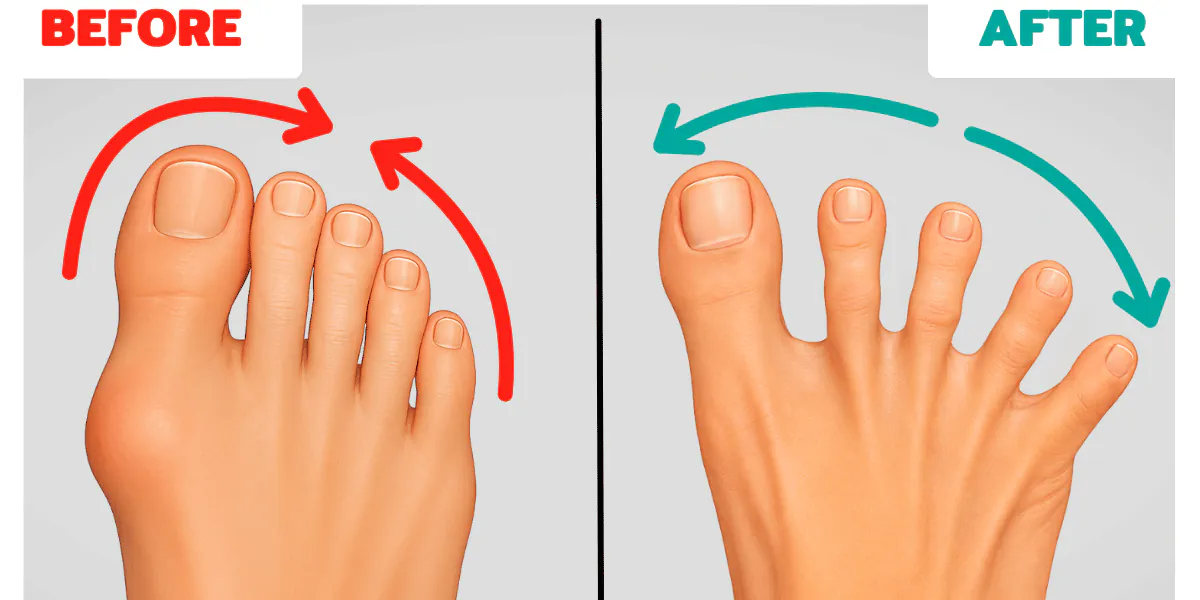
Bunions affect one in three adults. Most people assume they’re purely genetic – a fate sealed by DNA. That’s not what the research shows.
Bunions are often the result of weaknesses across three interconnected areas: the feet, ankles, and glutes. Address these weaknesses, and you can stop bunion progression and in many cases, reverse it.
In this post, I’ll break down the three most effective exercises for correcting bunions, explain the science behind each one, and show you how your feet, ankles, and glutes work together to create the foundation for proper toe alignment.
Exercise 1: The Toe Spread-Out Exercise
This is the simplest fix for bunions. A study found that performing this exercise for just 8 weeks can significantly improve bunion severity [[1]].
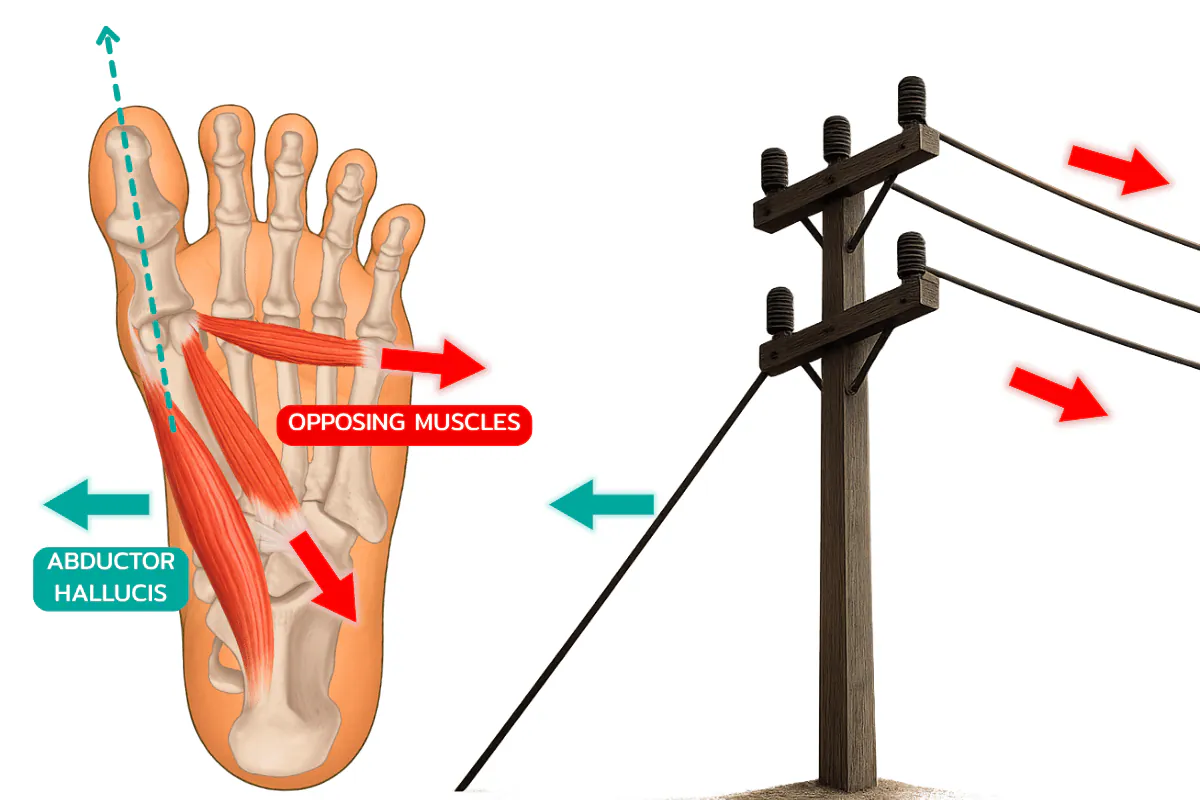
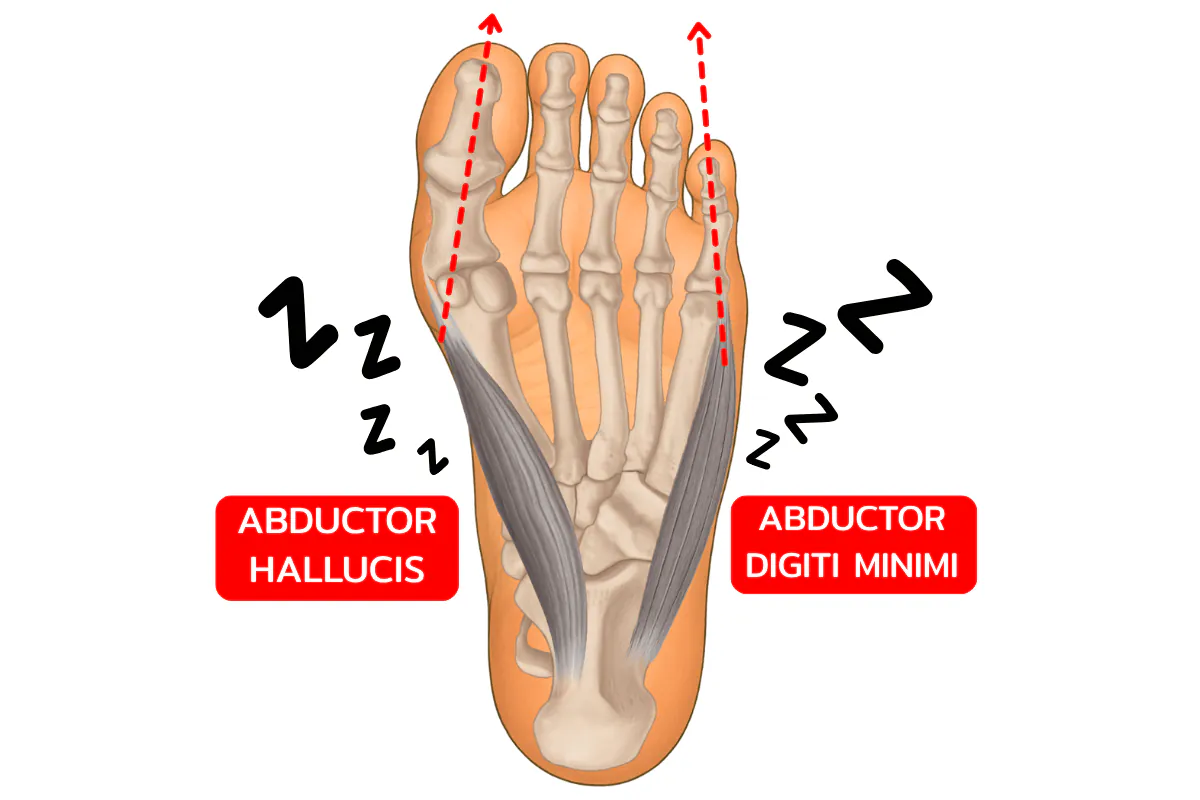
Why it works: The toe spread-out exercise targets the abductor hallucis, which is the intrinsic foot muscle attached to your big toe that’s responsible for keeping it aligned [[2]]. This muscle opposes the inward-pulling forces from muscles on the opposite side of the toe, stabilizing it and preventing drift [[3]] [[4]] [[5]].
Think of it like guy wires on a utility pole. The wires stabilize the pole by opposing the forces of power lines pulling in the opposite direction. Your abductor hallucis does the same job for your big toe.
Beyond Bunion Correction
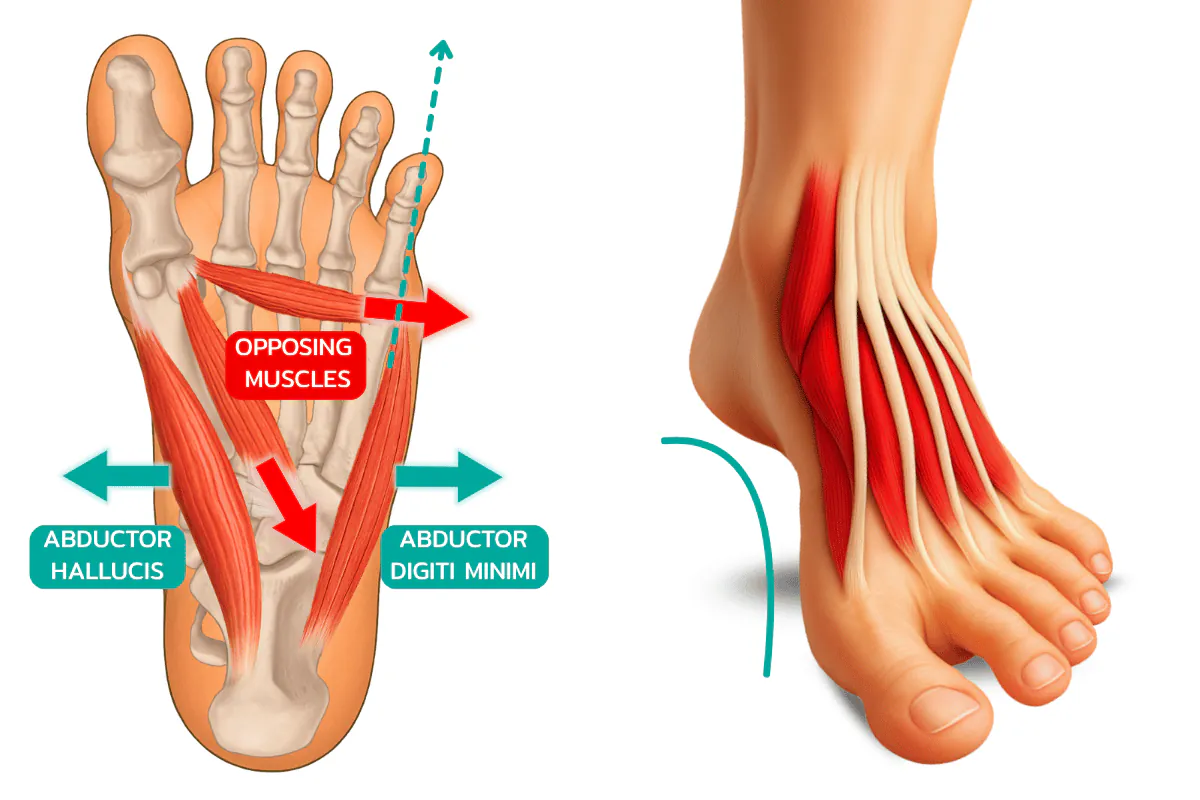
But the benefits of this exercise extend further than just your big toe. Spreading all your toes activates other intrinsic foot muscles, including the abductor digiti minimi – the muscle that keeps your pinkie toe aligned and helps correct bunionettes [[2]].
There’s also a significant advantage for your arches. The intrinsic foot muscles trained by this exercise connect directly to your arch structure, so as they strengthen, they provide better arch support [[5]] [[6]] [[7]]. One study found that the toe spread-out exercise increased arch height by 33.3% in just four weeks [[8]].
How to Perform It
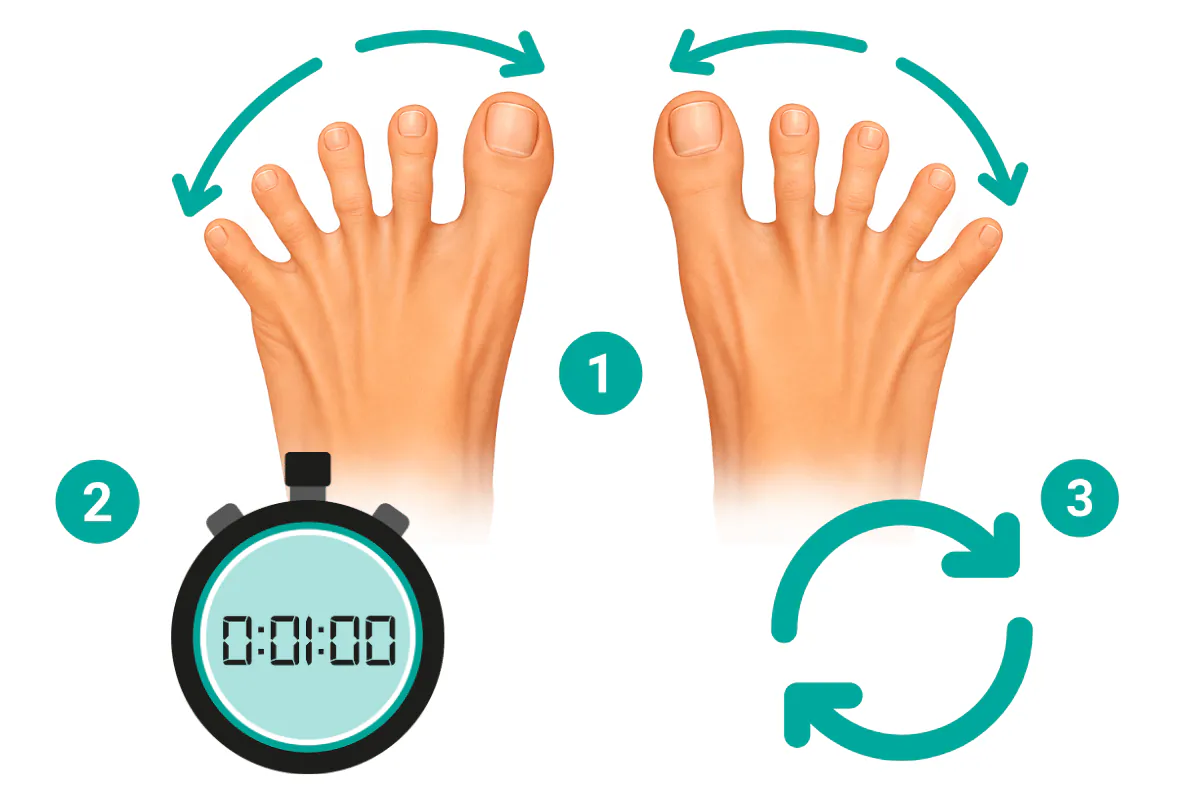
Spread your toes as wide as possible
Hold for 30-60 seconds
Rest and repeat for multiple sets
Because it’s non-weight-bearing, you can perform this exercise frequently without risk of overuse injuries like plantar fasciitis.
The Common Hurdle (And How to Fix It)
If you have bunions, splaying your toes might feel impossible – like they’re glued together – or your toes may lift instead of spreading. This happens because a misaligned great toe pulls the abductor hallucis out of position, causing it to lose its mechanical advantage to contract effectively [[2]] [[9]] [[10]].
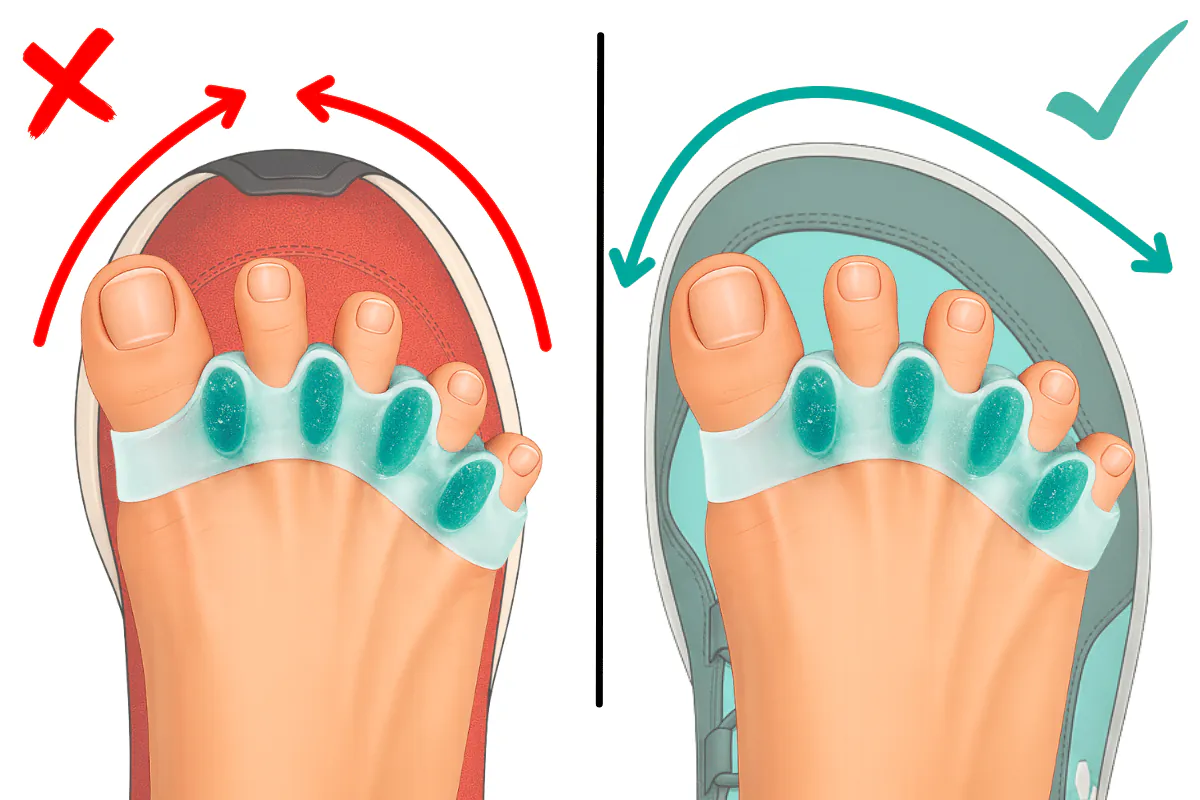
The fix: Passively assist the great toe back into neutral alignment using silicone toe spacers. A 2017 study on people with bunions found that using toe spacers for 6 hours daily over 12 months significantly improved toe alignment [[11]]. With the toes realigned, the connected foot muscles return to a mechanically advantageous position where they can contract more powerfully.
Toe spacers also provide a useful reference for footwear selection. Wearing them while comparing your foot shape to shoe toe boxes makes it immediately clear which shoes accommodate natural foot shape and which would force your toes into misalignment.
» The toe spacers we recommend: #Strength Tools
» The shoes we recommend: #Barefoot Shoe Finder
Exercise 2: Supinated Ankle Dorsiflexion
Wide shoes and foot strengthening exercises won’t fix bunions if your ankles are tight.
Here’s why: Ankle tightness fundamentally changes how you walk, squat, jump, and land.
All these movements require ankle dorsiflexion – the ability for your knee to travel forward over your toes.
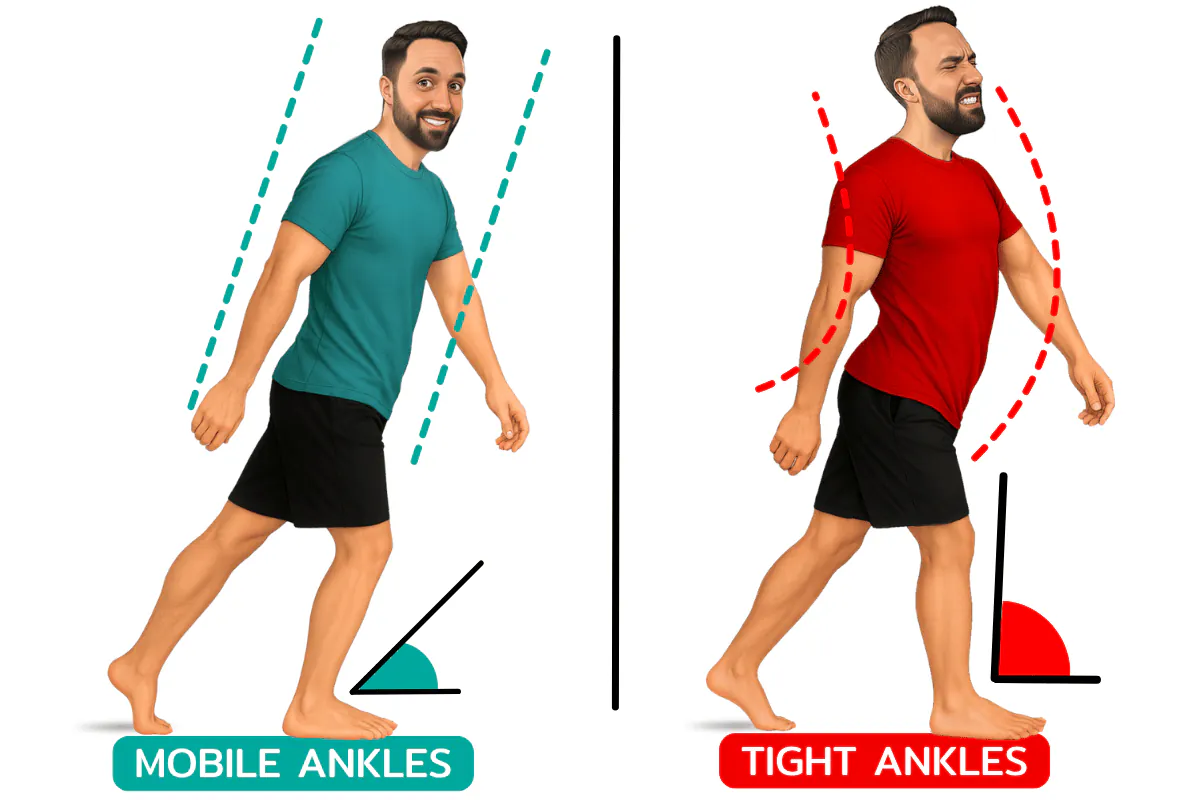
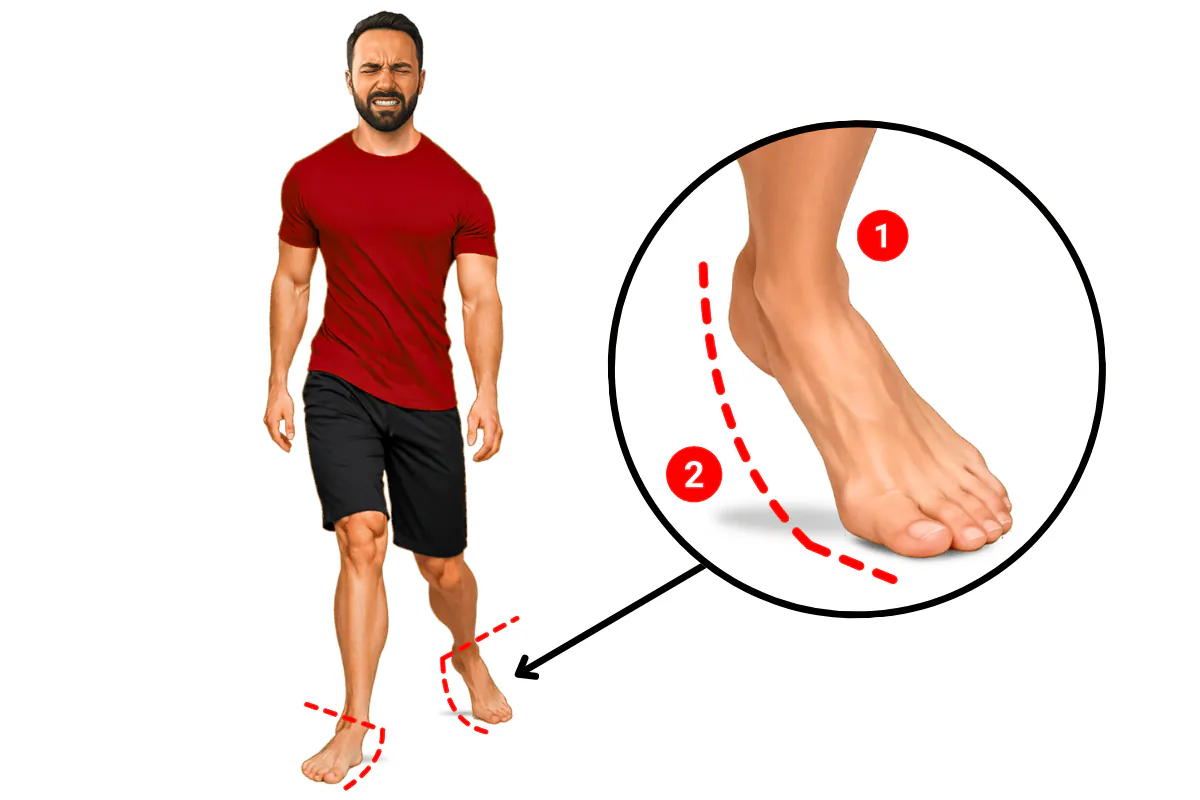
When your ankles can’t provide this range, your body compensates. The compensation pattern typically starts with the foot spinning outward, overpronating, and collapsing through the midfoot [[12]].
What the body is essentially doing is borrowing the missing ankle range from the foot, forcing the arch to act as a second ankle joint [[13]].
The Bunion Connection
This overpronation shifts your body weight to the inside of the great toe, forcing it into a bunion position. Thousands of steps per day in this pattern places massive stress on the great toe joint and can lead to permanent misalignment [[3]] [[14]] [[15]].
This hidden connection between ankle tightness and bunion formation was a major revelation in my coaching practice. Many people focus exclusively on foot exercises while ignoring the upstream restriction that’s driving the problem.
How to Perform It
You’ll need a sloped surface – a plank on a foam roller or foam squat wedges work well.
Lunge onto the platform with the leg that matches the slope direction (right foot on a slope running right, left foot on a slope running left)
Drive your knee forward over your toes
Hold at end range for 60+ seconds as a static stretch, or move slowly through the full range for dynamic mobilization
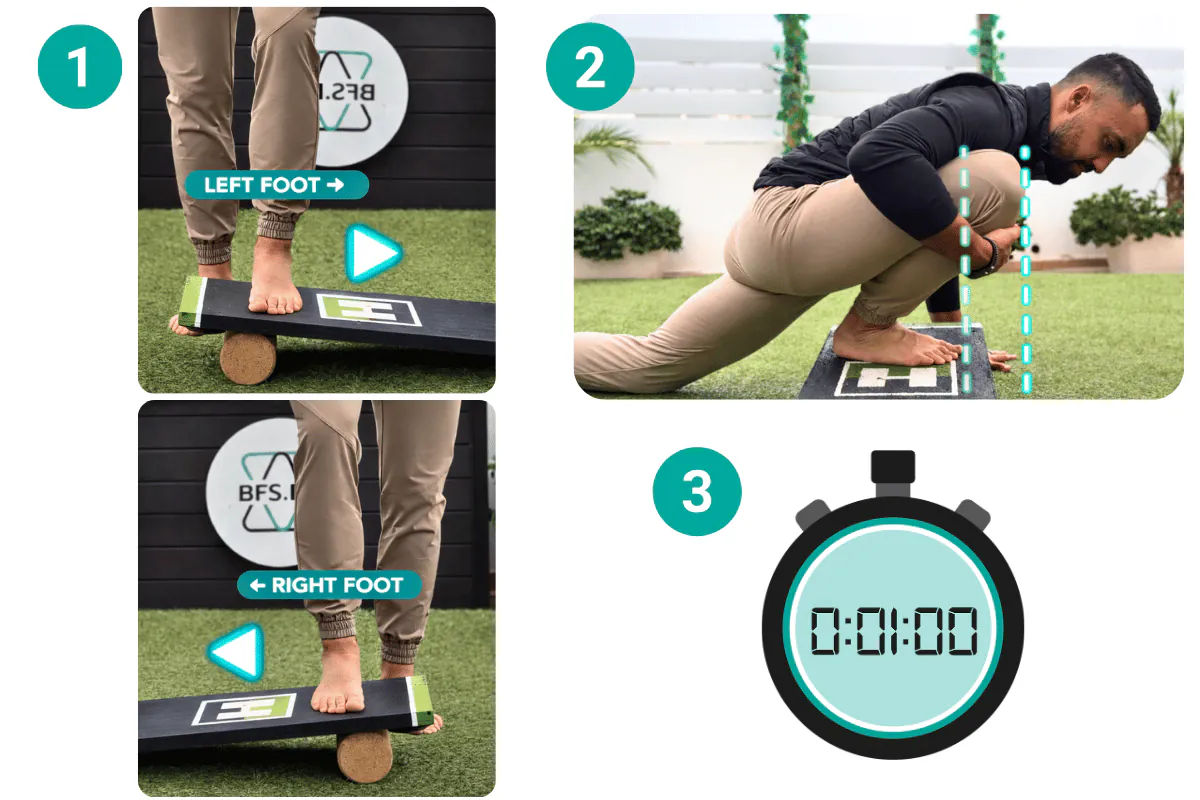
The key benefit: Performing this on a slope prevents the foot from overpronating during the stretch, stopping the great toe from collapsing into a bunion shape while you work on ankle mobility [[12]].
Over time, this drill unlocks ankle dorsiflexion and trains your body to access that range without compensating through the foot.
» MORE: How to Increase Ankle Mobility in 3 Steps
Exercise 3: Banded Side Steps (Ankle Placement)
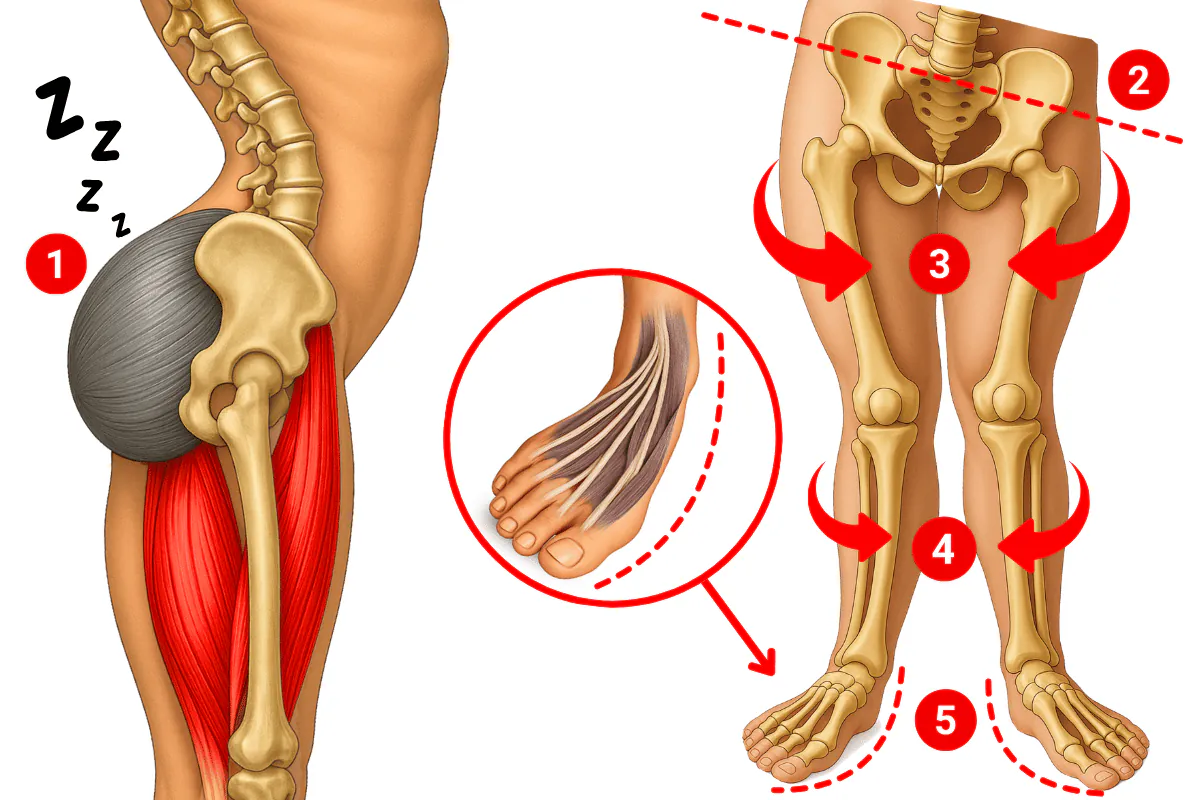
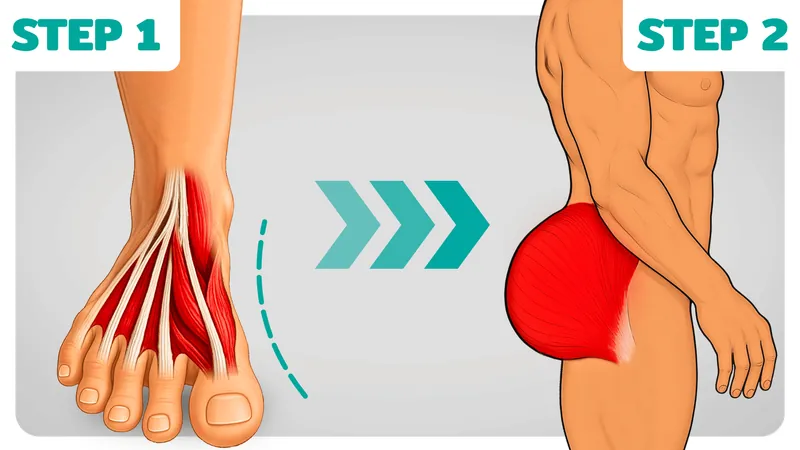
If you have bunions, check your glutes. Weak glutes cause misalignment cascading down the entire lower body [[16]].
The chain reaction works like this:
Weak glutes → pelvis drops → thigh bone rotates inward → shin follows → foot arch collapses → great toe forced into hallux valgus [[17]][[18]][[2]].
See how tightly integrated each body part is? A glute problem easily becomes a bunion problem [[19]].
Why Ankle Band Placement Matters
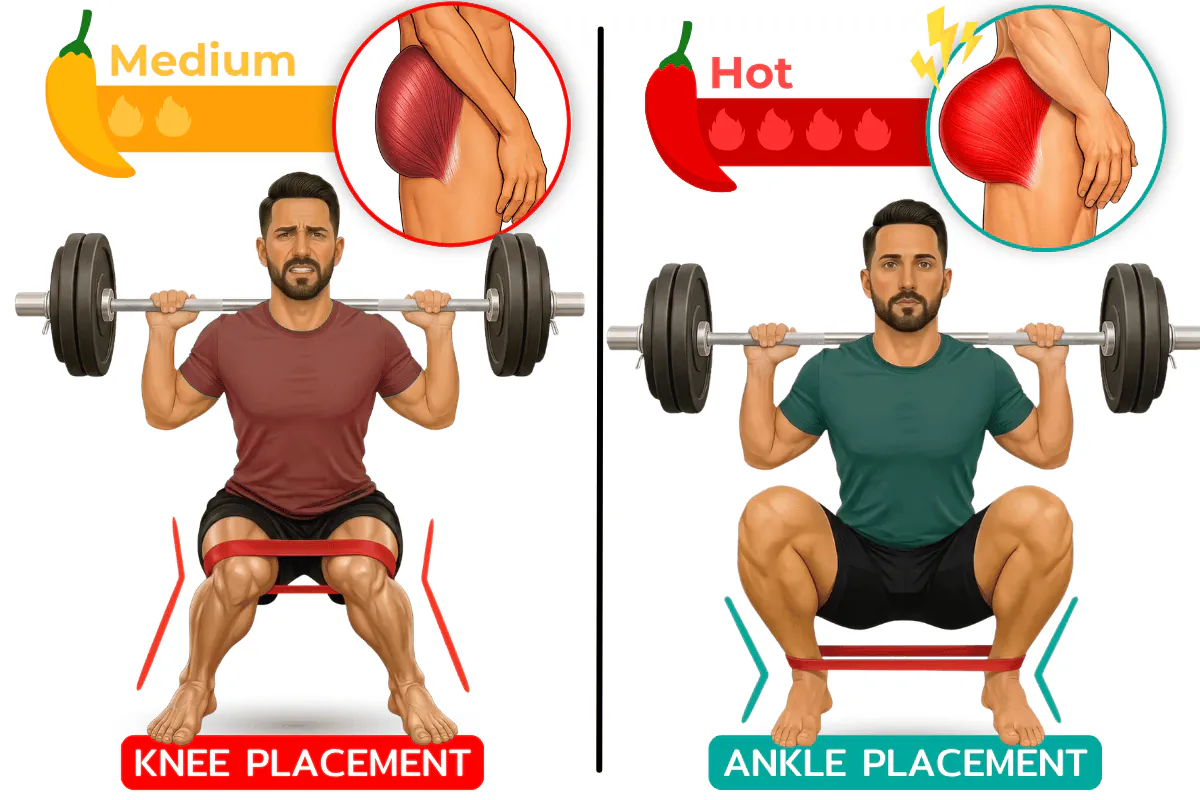
Banded side steps and monster walks target your glutes – your body’s largest muscles and the ones responsible for proper alignment from hip to toe. But where you place the band changes everything.
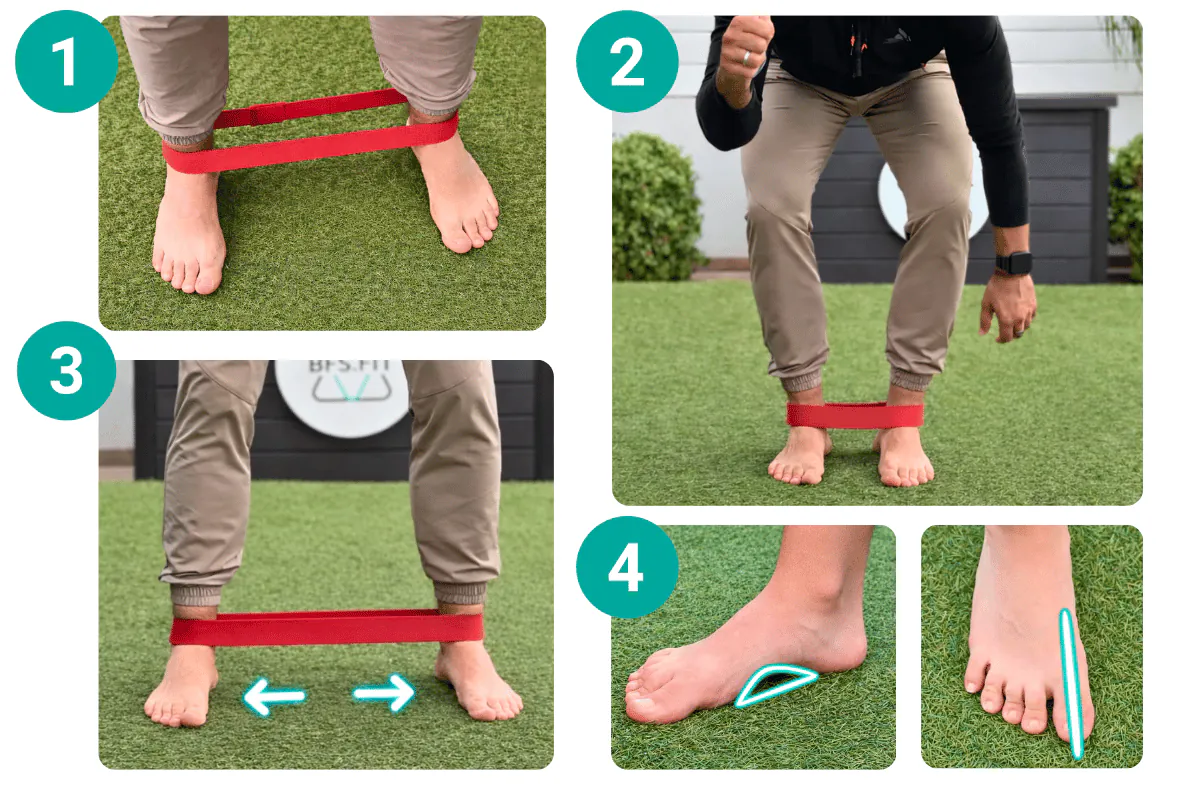
Instead of the standard knee placement, position the band around your ankles. This modification does two things:
1. Increases glute activation by 25% compared to knee placement, according to research published in the Journal of Clinical Biomechanics [[20]].
2. Creates a pronation force on the feet that you must resist to keep arches lifted and toes aligned.
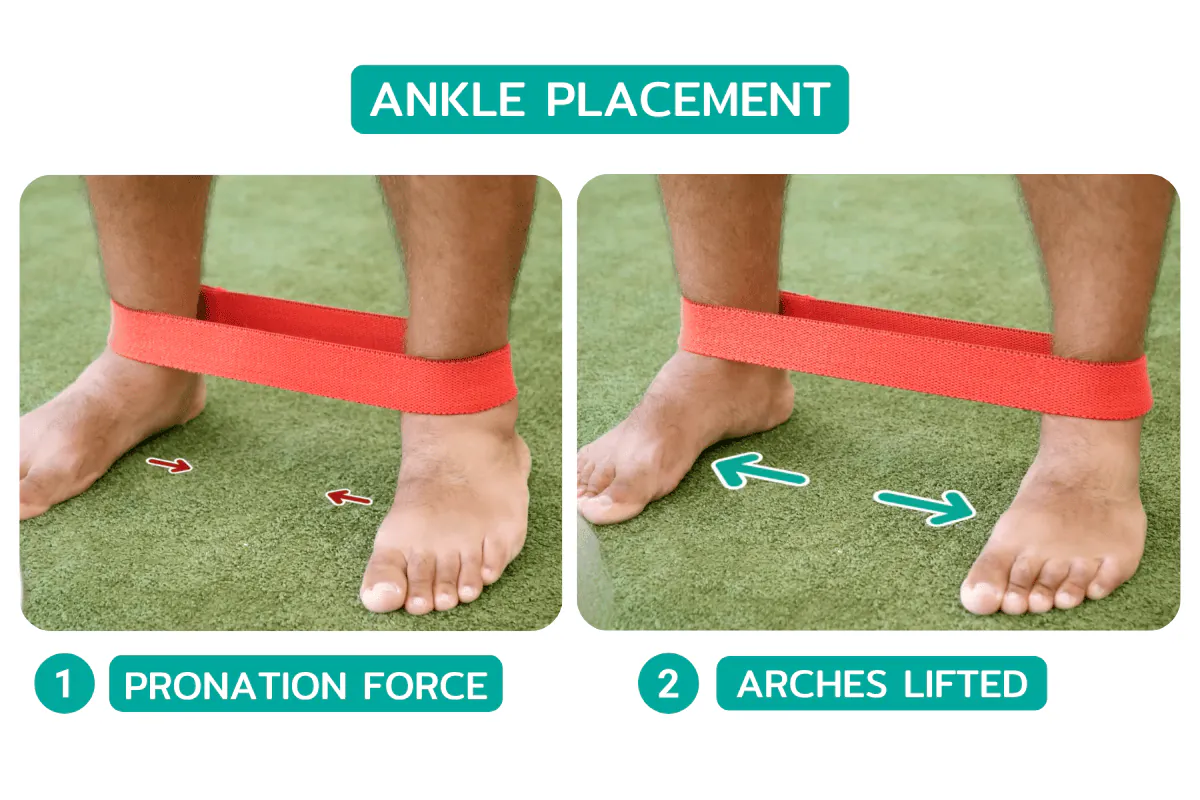
This transforms a glute-only exercise into a combined foot and glute exercise. The dual effect –increased muscle activity from the ground up and from the hips down – keeps your entire foundation stable and aligned.
How to Perform It
Place a resistance band around both ankles
Assume a quarter-squat position with feet hip-width apart
Step laterally while maintaining tension in the band
Keep your arches lifted and toes pointing forward throughout
Perform 10-15 steps in each direction
» The bands we recommend: #Strength Tools
The Critical Caveat
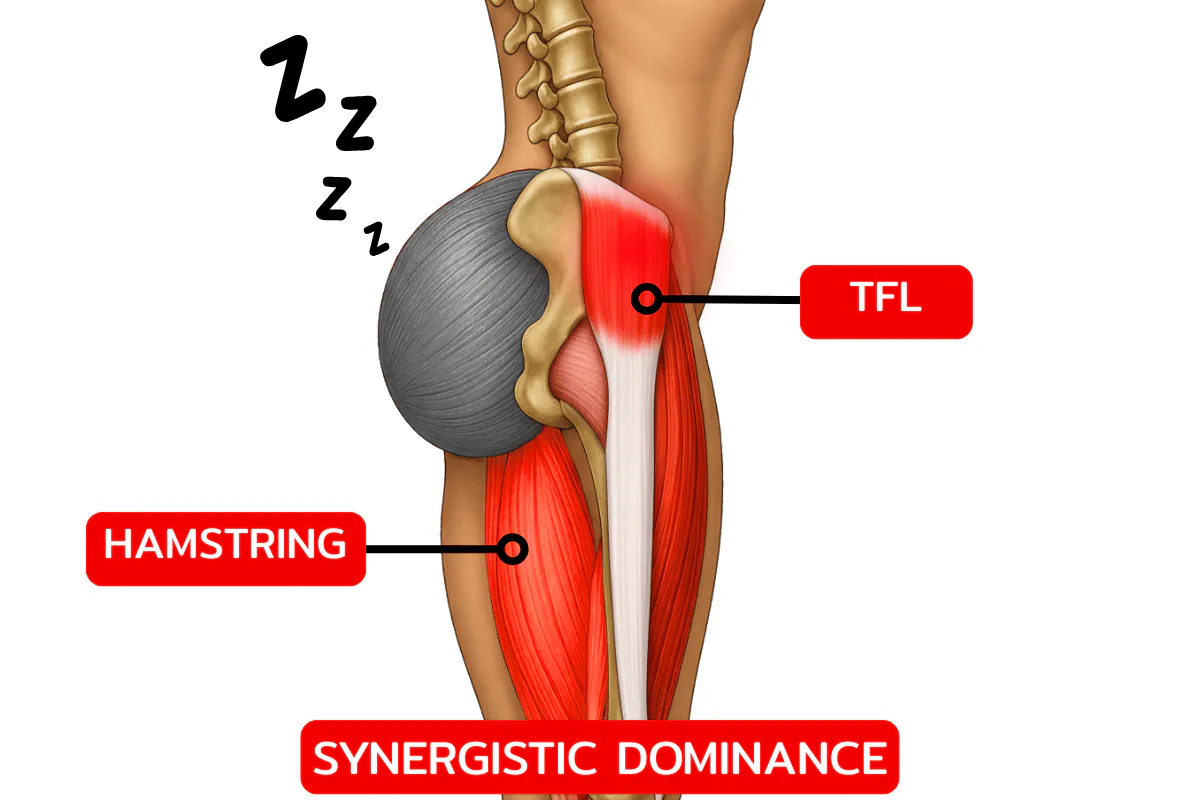
For this exercise to work, your glutes must actually be firing. If you struggle with glute activation, secondary muscles like the TFL or hamstrings take over – a pattern called synergistic dominance. This turns a glute exercise into a TFL exercise, which defeats the purpose entirely.
Signs of synergistic dominance: During banded side steps, you feel more burn on the side of your hip (TFL) than in your glutes.
Two fixes:
Reduce resistance. Use an extra-light band that your glutes can handle without recruiting synergistic muscles.
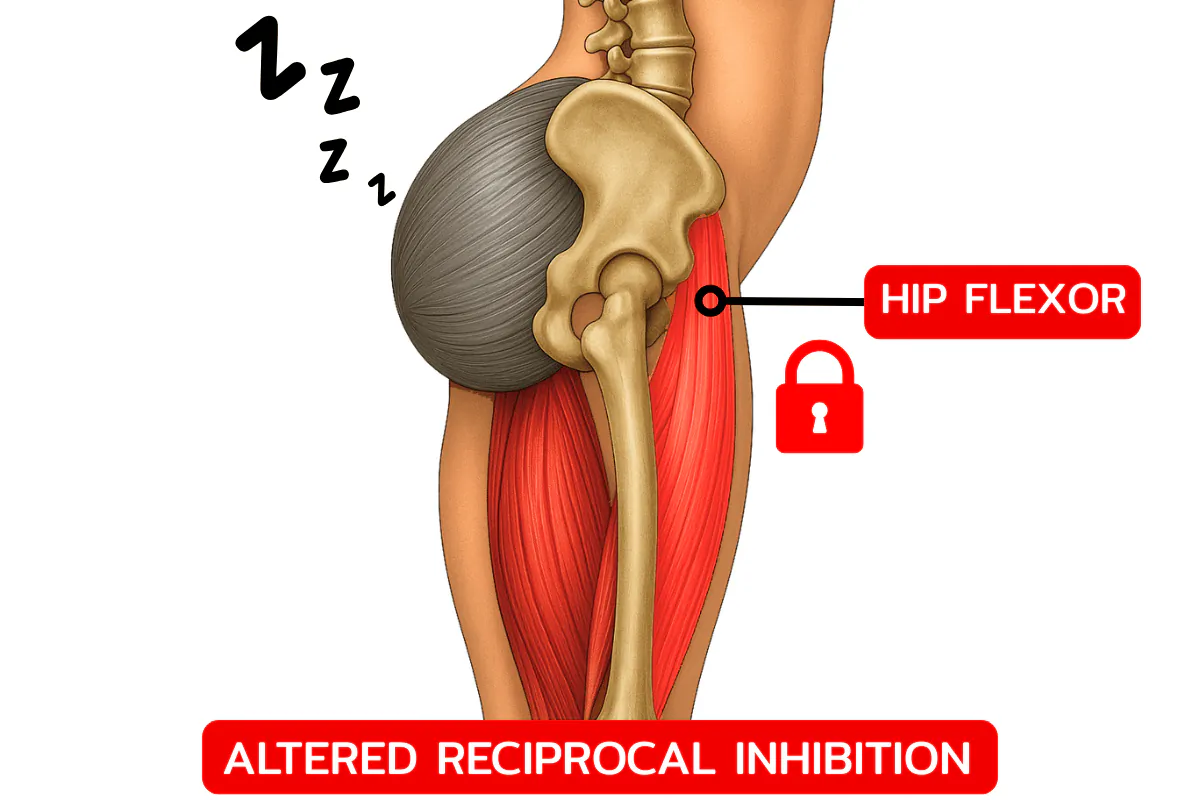
Address the underlying dysfunction. Tight hip flexors often inhibit glute activation through a mechanism called altered reciprocal inhibition.
This is an important point: you can do the best exercise on paper, but if your body isn’t functional enough to perform it correctly, you’ll strengthen the wrong muscles and end up worse off.
Take Action Today
Bunions aren't genetic destiny—they're the result of dysfunction in your feet, ankles, and glutes that you can systematically reverse. Tackle whichever is your biggest limitation first:
Feet — strengthen with the toe spread-out exercise (and toe spacers if your toes barely move).
Ankles — restore range with supinated ankle dorsiflexion.
Glutes — build them with ankle-banded side steps.
For a complete, structured approach to bunion correction – including a 21-week protocol that addresses this issue in more depth – become a member of The Barefoot Strength Academy.
Sources
The sources cited in this article. Select a small reference number to return to its place in the article.
- Effect of toe-spread-out exercise on hallux valgus angle and cross-sectional area of abductor hallucis muscle in subjects with hallux valgus.. Kim MH, Yi CH, Weon JH, Cynn HS, Jung DY, Kwon OY.. J Phys Ther Sci. 2015. 1
- Treatment of Progressive First Metatarsophalangeal Hallux Valgus Deformity: A Biomechanically Based Muscle-Strengthening Approach.. Glasoe WM.. J Orthop Sports Phys Ther. 2016. 2a 2b 2c 2d
- Hallux valgus, first metatarsal pronation and collapse of the medial longitudinal arch--a radiological correlation.. Eustace S, Byrne JO, Beausang O, Codd M, Stack J, Stephens MM.. Skeletal Radiol. 1994. 3a 3b
- Relationship Between Hallux Valgus and Pes Planus: Real or Fiction?. Atbaşı Z, Erdem Y, Kose O, Demiralp B, Ilkbahar S, Tekin HO.. J Foot Ankle Surg. 2020. 4
- Influence of the Abductor Hallucis Muscle on the Medial Arch of the Foot: A Kinematic and Anatomical Cadaver Study. Yue Shuen Wong. Foot & Ankle International. 2007. 5a 5b
- Fatigue of the plantar intrinsic foot muscles increases navicular drop.. Headlee DL, Leonard JL, Hart JM, Ingersoll CD, Hertel J.. J Electromyogr Kinesiol. 2008. 6
- Intrinsic pedal musculature support of the medial longitudinal arch: an electromyography study.. Fiolkowski P, Brunt D, Bishop M, Woo R, Horodyski M.. J Foot Ankle Surg. 2003. 7
- The effects of gluteus maximus and abductor hallucis strengthening exercises for four weeks on navicular drop and lower extremity muscle activity during gait with flatfoot.. Goo YM, Kim TH, Lim JY.. J Phys Ther Sci. 2016. 8
- Ultrasonic evaluation of the abductor hallucis muscle in hallux valgus: a cross-sectional observational study.. Stewart S, Ellis R, Heath M, Rome K.. BMC Musculoskelet Disord. 2013. 9
- Importance and challenges of measuring intrinsic foot muscle strength.. Soysa A, Hiller C, Refshauge K, Burns J.. J Foot Ankle Res. 2012. 10
- Effectiveness of the custom-mold room temperature vulcanizing silicone toe separator on hallux valgus: A prospective, randomized single-blinded controlled trial.. Chadchavalpanichaya N, Prakotmongkol V, Polhan N, Rayothee P, Seng-Iad S.. Prosthet Orthot Int. 2018. 11
- Born to Walk, Second Edition: Myofascial Efficiency and the Body in Movement. James Earls. 2020. 12a 12b
- Restricted ankle dorsiflexion: methods to assess and improve joint function. Louis Howe. Professional Strength & Conditioning. 2015. 13
- Metatarsal Pronation in Hallux Valgus Deformity: A Review.. Wagner E, Wagner P.. J Am Acad Orthop Surg Glob Res Rev. 2020. 14
- Hallux valgus in dancers: a closer look at dance technique and its impact on dancers' feet.. Davenport KL, Simmel L, Kadel N.. J Dance Med Sci. 2014. 15
- The Vital Glutes: Connecting the Gait Cycle to Pain and Dysfunction. John Gibbons. 2014. 16
- Is There a Pathological Gait Associated With Common Soft Tissue Running Injuries?. Bramah C, Preece SJ, Gill N, Herrington L.. Am J Sports Med. 2018. 17
- Enhancing Athletes' Foot Stability: A Comparative Analysis of Gluteus Maximus and Gluteus Medius Muscle Strengthening Effects on Navicular Drop, Balance, and Foot Posture Index in Over-Pronated Foot. Uma Raghav, Bharti Sharma, Harsirjan Kaur, Charu Chhabra. Pamukkale Journal of Sport Sciences. 2024. 18
- EFFECTIVENESS OF GLUTEAL MUSCLE STRENGTHENING ON FLAT FOOT. Pooja A Mulchandani, Trupti Warude, Amrutkuvar Pawar. Asian Journal of Pharmaceutical and Clinical Research. 2017. 19
- Progressive hip rehabilitation: The effects of resistance band placement on gluteal activation during two common exercises. Edward D.J. Cambridge, Natalie Sidorkewicz, Dianne M. Ikeda, Stuart M. McGill. Clinical Biomechanics. 2012. 20
Watch the video
FREE 7-DAY EMAIL COURSE
Sign up for our free Strong Feet and Glutes course
Get a lesson in your inbox every day for 7 days.
Start your free course
You'll also join our newsletter. Unsubscribe at any time.