
How to Find Your Correct Shoe Size and Fit
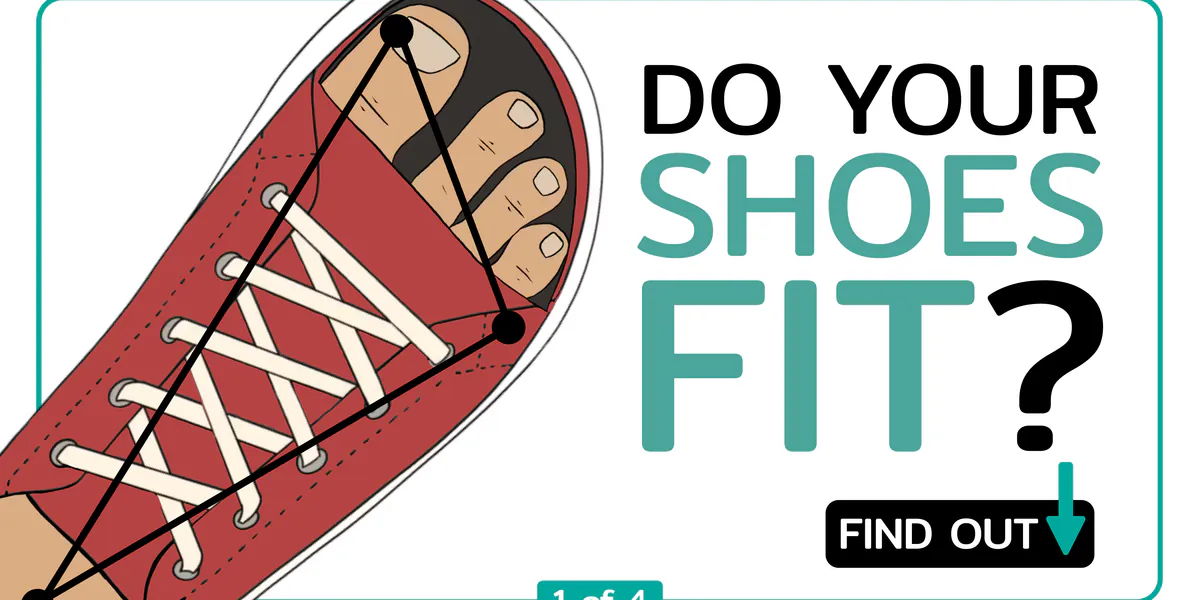
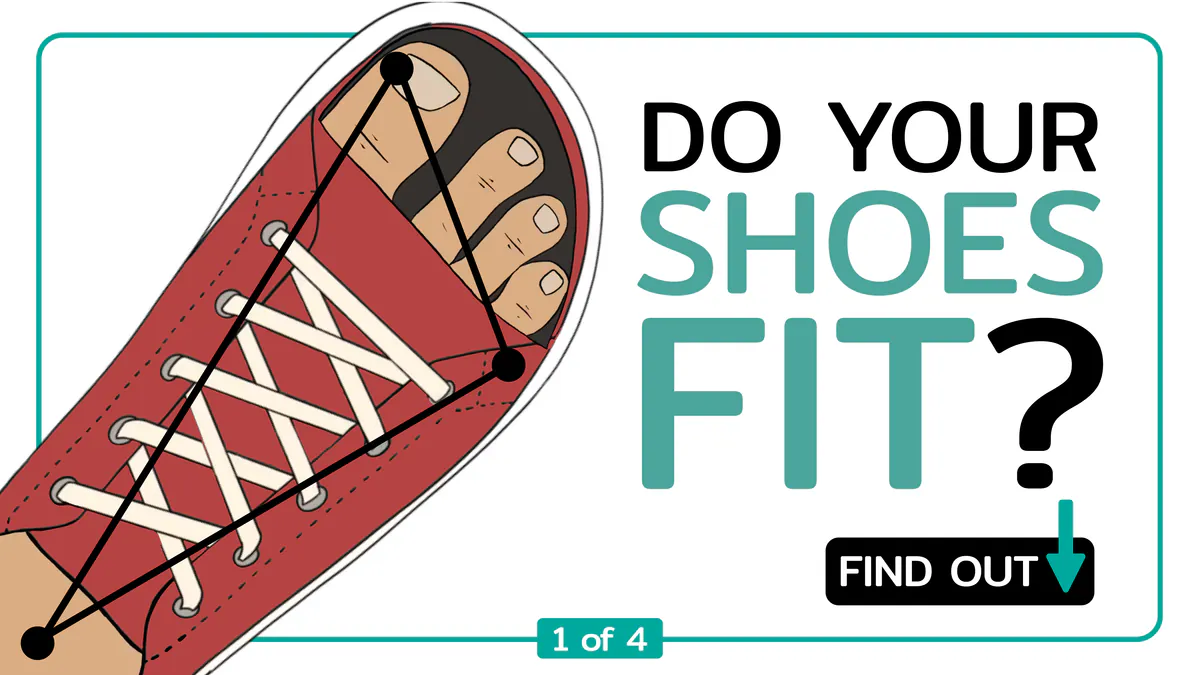
Studies show that 63% to 72% of people wear incorrectly fitted shoes [1].
Footwear fitting is vitally important because fit governs function - shoes cannot serve their intended purpose if they don't fit correctly.
What is the correct shoe shape?
The widest part of the foot is naturally at the toes, yet conventional shoes are often narrowest at this point. This mismatch causes the toes to be squeezed together, causing discomfort and, over time, can lead to toe misalignment issues like bunions and other foot-related problems [2] [3].
For this reason, people with wider feet may opt for a larger shoe size in an attempt to accommodate width needs, but this isn't ideal [1].
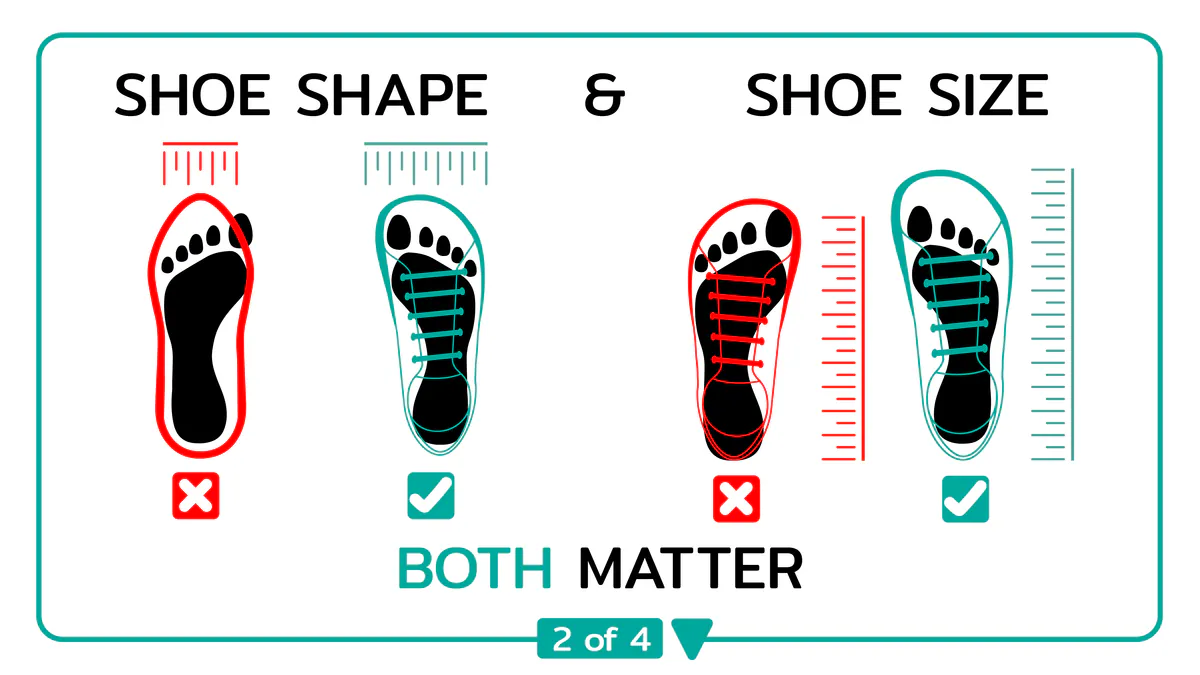
The real fix is to find wide toe box, “foot-shaped” shoes that match the foot's natural shape, with the widest part at the toes. This extra space allows the toes to spread naturally.
Barefoot shoes are great examples of a shoe design that conforms to the natural shape of the feet.
You can find the best barefoot shoe brands using our barefoot shoe finder.
Barefoot Shoe Finder >>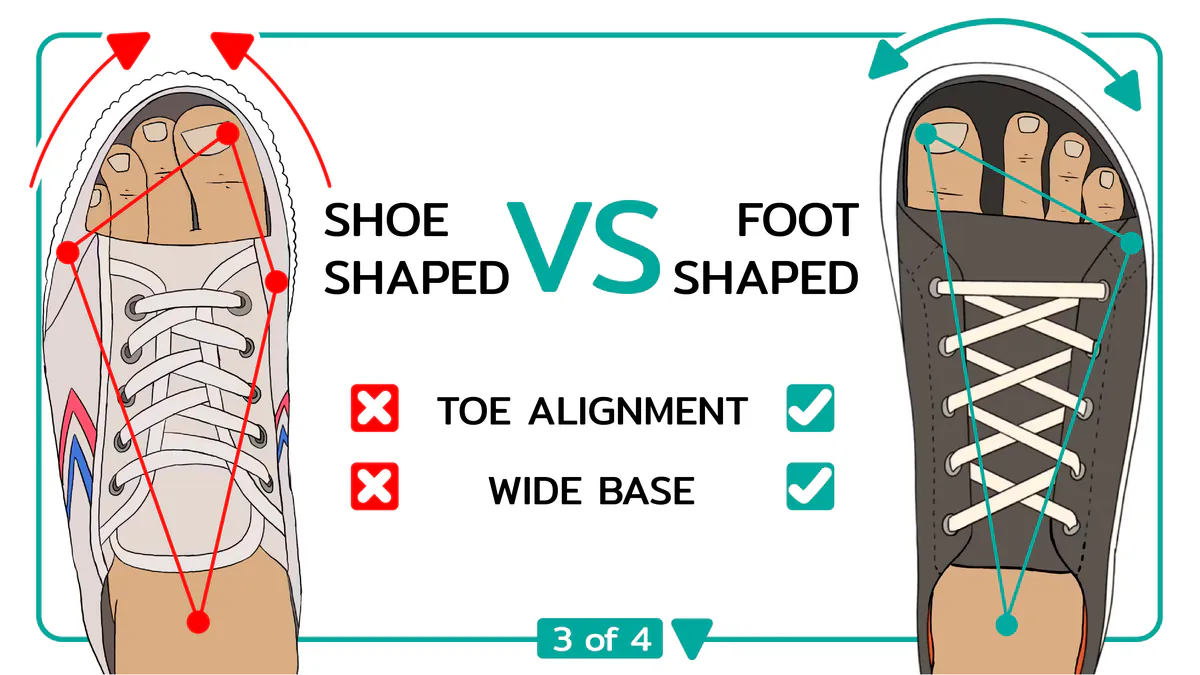
How to find your correct shoe size
According to the literature, a properly fitting shoe should be at least 10mm longer than your foot, with 12mm being optimal. [4].
The extra space allows space for the natural splay of the toes during movement, as well as diurnal changes in foot size due to variations in temperature and blood flow.
The simple way to check shoe fit:
Feet should be measured while standing to account for the natural spreading of the foot under body weight.
Push your toes forward in the shoe until they touch the front without curling.
Then, place your fingers in the back of the shoe, between the shoe and your heel.
Here are the measurement standards:If you can fit two fingers in the back, the shoes are too big.
One finger is just right.
No fingers, or it’s a struggle to squeeze one in, the shoes are too small.
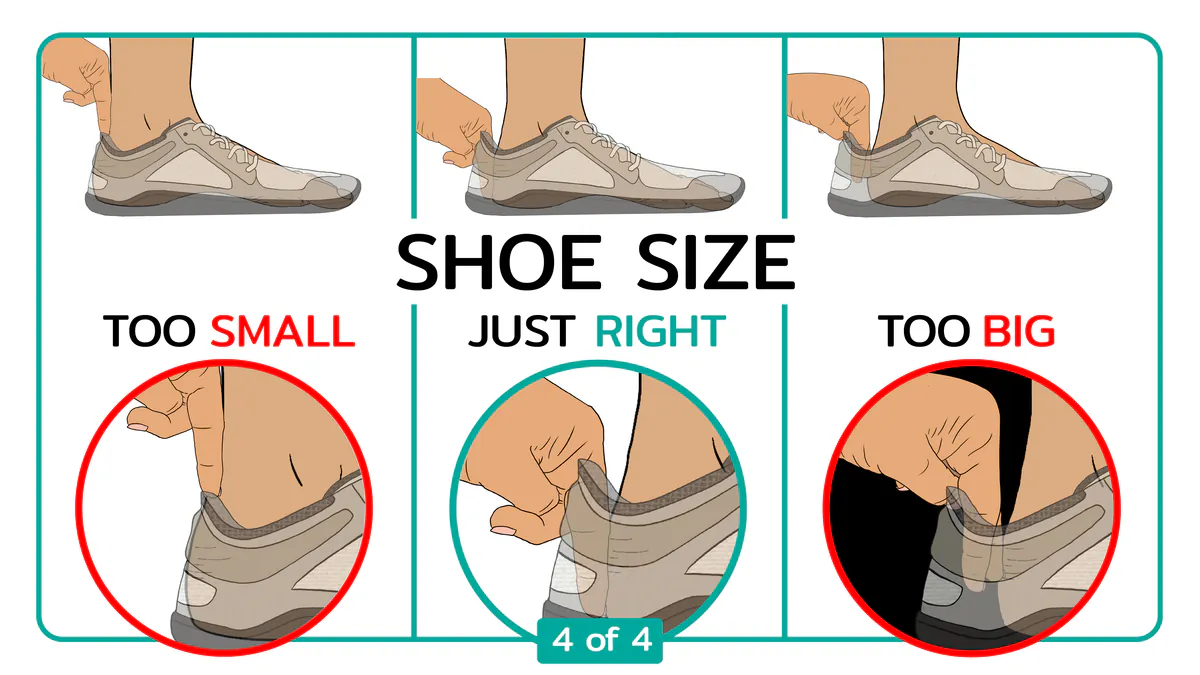
For further reference on how to use this measurement technique, watch this short video:
Sources
The sources cited in this article. Select a small reference number to return to its place in the article.
- Incorrectly fitted footwear, foot pain and foot disorders: a systematic search and narrative review of the literature.. Buldt AK, Menz HB.. J Foot Ankle Res. 2018. 1a 1b
- Conclusions Drawn from a Comparative Study of the Feet of Barefooted and Shoe-Wearing Peoples. Phil. Hoffman. The American Journal of Orthopedic Surgery. 1905. 2
- Epidemiology of Shoe Wearing Patterns Over Time in Older Women: Associations With Foot Pain and Hallux Valgus.. Menz HB, Roddy E, Marshall M, Thomas MJ, Rathod T, Peat GM, Croft PR.. J Gerontol A Biol Sci Med Sci. 2016. 3
- Increased hallux angle in children and its association with insufficient length of footwear: a community based cross-sectional study.. Klein C, Groll-Knapp E, Kundi M, Kinz W.. BMC Musculoskelet Disord. 2009. 4
Watch the video
FREE 7-DAY EMAIL COURSE
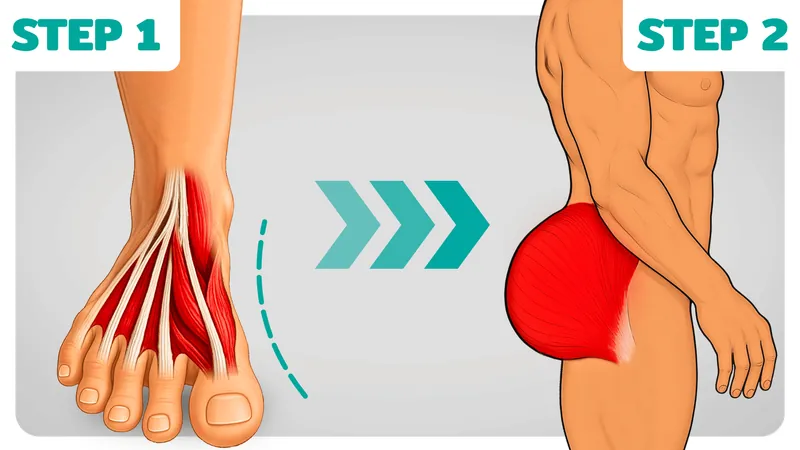
Sign up for our free Strong Feet and Glutes course
Get a lesson in your inbox every day for 7 days.
Start your free course
You'll also join our newsletter. Unsubscribe at any time.